
When searching for a rental property in Mexico, one of the first decisions you’ll encounter is whether to rent a furnished or unfurnished property. This choice impacts not just your move-in process but also your monthly costs, flexibility, and overall living experience. Unlike in the U.S. or Canada, where unfurnished typically means completely empty, the definitions and expectations around furnished and unfurnished rentals in Mexico can be quite different and sometimes confusing for newcomers.
Understanding what these terms mean in the Mexican context, evaluating the pros and cons of each option, and considering your personal circumstances will help you make the right decision for your situation. This comprehensive guide will walk you through everything you need to know about furnished versus unfurnished rentals in Mexico.
Understanding Furnished vs. Unfurnished in Mexico
Before diving into which option is right for you, it’s crucial to understand what “furnished” and “unfurnished” actually mean in the Mexican rental market, as these definitions can vary significantly from what you might expect.
What “Furnished” Typically Includes
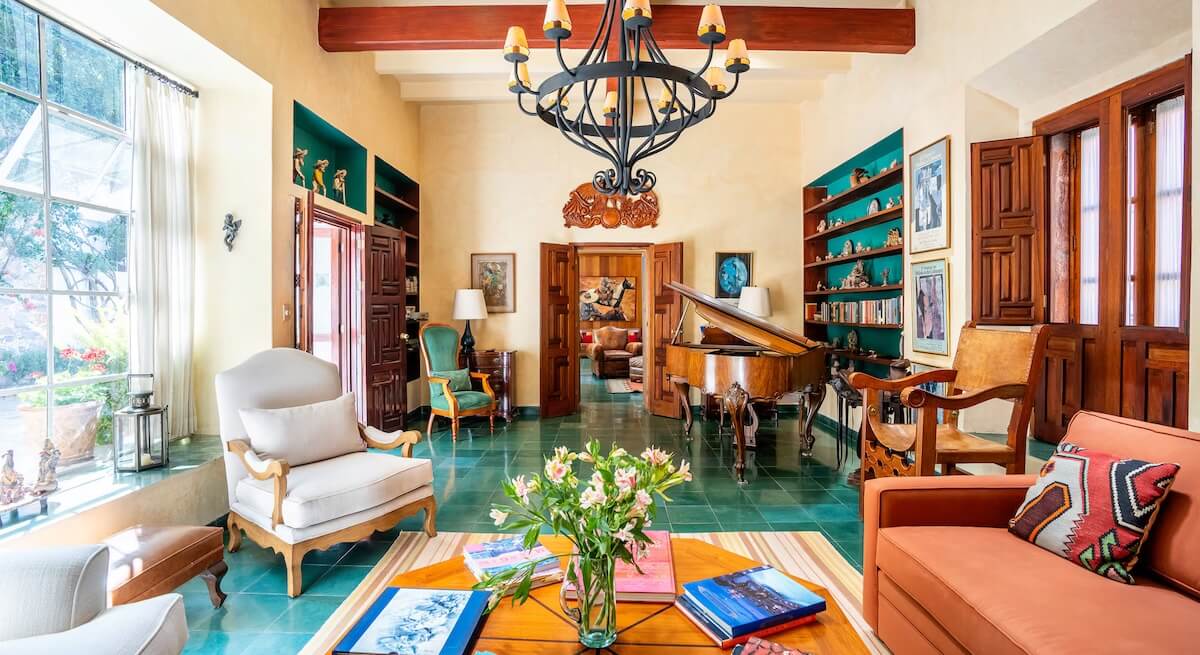
In Mexico, a furnished rental (amueblado) generally includes the essential furniture and appliances needed for daily living. However, the specific items included can vary dramatically from property to property. A typical furnished rental might include basic living room furniture like a sofa and coffee table, bedroom furniture including a bed frame and mattress, and dining furniture. The kitchen usually comes equipped with a refrigerator, stove, and basic cookware including pots, pans, dishes, and utensils. You’ll typically find a washing machine, though dryers are less common in Mexico as many people prefer line-drying clothes. Window coverings, fans or air conditioning units, and sometimes small appliances round out the typical furnished package.
It’s important to note that the quality and condition of furnishings can vary dramatically. Some furnished rentals offer high-end, nearly new furniture and appliances, while others may include older, well-worn items. The phrase “furnished” doesn’t guarantee quality, only that basic items are provided. Always request a detailed inventory and photos of the actual furnishings before committing to a rental, as marketing photos sometimes show aspirational rather than actual furnishings. What you see in listing photos may not always reflect what’s actually in the property when you arrive.
What “Semi-Furnished” Means
You’ll also encounter semi-furnished (semi-amueblado) properties, which typically fall somewhere between furnished and unfurnished. These properties usually include major appliances like a refrigerator, stove, and washing machine, along with window coverings and sometimes built-in furniture like closets or shelving. However, you’ll need to provide your own beds, sofas, dining furniture, and smaller household items. This option can be ideal if you have some furniture but not everything needed for a complete household, or if you want to personalize your space while avoiding the expense of major appliances. Semi-furnished rentals give you more control over the style and comfort of your living space while still providing the expensive essentials that would be difficult to purchase or transport.
What “Unfurnished” Actually Includes
Here’s where Mexican rentals can surprise foreigners: an unfurnished (sin amueblar) rental in Mexico is rarely completely empty. Mexican unfurnished rentals usually include kitchen cabinets and countertop, built-in closets or wardrobes, window coverings, and light fixtures with ceiling fans. Sometimes you’ll even find an appliance or two but don’t count on it. Most of the time you will find “unfurnished” rentals with no appliances.
What you’ll typically need to provide includes all appliances, furniture such as beds, sofas, and dining tables, small kitchen appliances, dishes and cookware, bedding and linens, and decorative items. The exact inclusions can vary significantly, so it’s essential to clarify exactly what comes with the property before signing a lease. Never assume that “unfurnished” means the same thing it would in your home country. Ask the landlord or property manager for a specific list of what’s included, and if possible, visit the property to see for yourself exactly what remains and what you’ll need to provide.
Cost Considerations
The financial implications of choosing furnished versus unfurnished extend beyond just the monthly rent. Understanding all the costs involved will help you make a more informed decision.
Monthly Rent Differences
Furnished rentals typically command a premium over unfurnished properties in the same area. The difference varies based on location, with beach and tourist areas generally commanding higher premiums than residential neighborhoods in major cities or smaller towns. The quality and completeness of the furnishings, the length of your rental term, and the season all affect how much extra you’ll pay for a furnished property. Longer rental commitments often come with lower monthly rates, and you may have more negotiating power during off-season in tourist areas.
The premium you pay for furnished rentals reflects not only the value of the furnishings themselves but also the convenience factor and the landlord’s investment in maintaining and replacing items over time. In areas with high concentrations of short-term visitors and digital nomads, the furnished rental premium tends to be higher because demand is strong and landlords know tenants are willing to pay for the convenience.
Security Deposit Differences
Furnished properties typically require higher security deposits than unfurnished ones. While properties usually ask for one month’s rent as a deposit, furnished properties could require more especially for luxury properties with high-value furnishings. Additional pet deposits may also be higher for furnished properties. The higher deposits reflect the landlord’s additional investment and risk, as damage to or loss of furnishings can be deducted from your deposit.
This makes it even more crucial to document everything carefully before moving in. Take time-stamped photos and videos of every item, noting any existing damage, wear, or issues. This documentation is your protection against unfair deductions when you eventually move out. The extra time spent documenting during move-in can save you significant money and stress during move-out.
Long-Term Financial Impact
When evaluating the true cost difference, consider the total financial picture over your intended rental period. For short-term stays of six months or less, furnished rentals almost always make more financial sense. The cost of purchasing even basic furniture would likely exceed the premium you’d pay for a furnished rental, especially when you factor in initial furniture purchase costs, transportation and delivery fees, the time and effort involved in furnishing, and the difficulty of selling furniture when you leave. Most people staying for only a few months find that even a significant monthly premium for furnished housing costs less overall than furnishing a place themselves.
For medium-term stays between six months and a year, the calculation becomes more nuanced. You’ll need to weigh the total rent premium over the period against the cost of furnishing economically with used items, your comfort level with the quality of provided furnishings, and whether you plan to stay in Mexico longer term, which makes furniture purchases more worthwhile. At this length of stay, personal preferences and lifestyle factors often matter more than pure financial calculations.
For long-term stays of a year or more, unfurnished rentals often become more economical. You can choose quality furniture that meets your standards, spread furniture costs over a longer period, build equity in items you can keep or sell later, and potentially save significant money on monthly rent that adds up over time. The longer you stay, the more those monthly savings accumulate, eventually offsetting the initial investment in furnishings.
Lifestyle and Practical Considerations
Beyond finances, your lifestyle and personal situation should heavily influence your decision between furnished and unfurnished rentals.
Length of Stay
Your intended length of stay in Mexico is perhaps the most important factor in this decision. Short-term residents staying under six months will find that furnished rentals are almost always the practical choice. The time, effort, and cost of furnishing a property for such a short period rarely makes sense. You’ll benefit from immediate move-in capability, no furniture disposal hassles when leaving, flexibility to change locations easily, and the ability to travel light without worrying about possessions left behind.
Medium-term residents planning to stay six to eighteen months face a more personal decision. This is truly the gray area where either option could work depending on your specific priorities. Consider your tolerance for the quality of provided furnishings, whether you’re testing out Mexico before a longer commitment, your likelihood of staying longer than initially planned, and how much you value having your own furniture choices. Some people in this category start with furnished rentals and transition to unfurnished if they decide to stay longer.
Long-term residents or those making permanent relocations often find that unfurnished rentals make more sense for several reasons. Lower monthly costs add up to significant savings over years, you can create a space that truly feels like home rather than temporary accommodation, you have the freedom to choose quality items that match your taste and needs, and you’re investing in furnishings that can move with you or be sold later when your circumstances change. The psychological benefit of having your own furniture and creating a true home shouldn’t be underestimated for those planning to stay long-term.
Mobility and Flexibility
Consider how important mobility is to your situation. If you anticipate moving cities or neighborhoods, or if you’re still exploring where you want to settle in Mexico, furnished rentals offer significant advantages. You can easily relocate by packing personal items and going, try different neighborhoods without major commitments, avoid the hassle of moving or storing furniture, and experience a less stressful moving process overall. This flexibility is particularly valuable during your first year in Mexico when you’re still learning which areas suit your lifestyle and preferences.
If you’re confident about your chosen location and plan to stay put for the foreseeable future, unfurnished rentals allow you to create a stable, personalized home environment, build community connections through local furniture shopping and craftspeople, eliminate worries about being responsible for a landlord’s property, and have the freedom to make the space truly yours over time. Settling into an unfurnished place with your own possessions can help you feel more rooted in your community.
Personal Preferences and Lifestyle
Your personal priorities and living standards matter significantly in this decision. If you’re particular about furniture quality, style, and comfort, unfurnished rentals offer complete control over your living environment, the ability to choose quality over quantity, freedom to create a cohesive aesthetic that reflects your taste, and the assurance that you won’t be settling for worn or dated furnishings that don’t meet your standards.
If you prioritize ease and simplicity over personalization, furnished rentals provide immediate comfort without shopping stress, eliminate decision fatigue from furnishing a home, come with professional space planning already done, and have all the basics already coordinated. For those embracing a minimalist lifestyle with few possessions, furnished rentals align naturally with owning less, maintaining less attachment to material goods, keeping a clutter-free environment, and enabling a simple transition when ready to move on. The minimalist approach works particularly well with furnished rentals since you’re not accumulating possessions that tie you down.
Quality and Condition Concerns
The quality of furnished rentals in Mexico varies dramatically, and understanding what to look for can prevent disappointment and conflict down the road.
Assessing Furnished Property Quality
When viewing furnished properties, carefully evaluate several key factors. Look at furniture condition by checking for signs of wear, stains, or damage. Test structural soundness by actually sitting on chairs, opening and closing drawers, and checking that doors and cabinets work properly. Don’t be shy about testing things during your viewing, as this is your opportunity to identify problems before committing.
Appliance functionality deserves special attention. Check the age of major appliances since older ones may be less efficient and more prone to breaking. If possible, verify working condition by testing everything, or at least ask when appliances were last serviced. Consider energy efficiency ratings if available, and research brand reputation for service availability in Mexico since some brands are easier to get repaired than others.
Pay close attention to the overall cleanliness of the property, signs of pest problems like droppings or insects, the condition of linens and soft goods if included, and general upkeep standards. A well-maintained furnished rental with clean, functional items in good condition suggests a responsive landlord who cares about their property. Conversely, a property with neglected furnishings often indicates a landlord who won’t be responsive to maintenance issues.
Red flags to watch for include:
-
- Significantly damaged or broken items that the landlord dismisses as unimportant.
- Mismatched or clearly second-hand furniture (unless reflected in the rental price).
- Appliances that don’t work or are in poor condition.
- Missing essential items from the inventory that should be included.
- A landlord who is reluctant to replace or repair obvious problems before you move in.
These warning signs often indicate how responsive the landlord will be during your tenancy. If they won’t fix obvious problems to secure a new tenant, they certainly won’t be responsive once you’ve already signed the lease and paid your deposit.
Creating a Detailed Inventory
Whether you choose furnished or semi-furnished, creating a comprehensive move-in inventory is crucial for protecting yourself from charges for pre-existing damage. Request the landlord’s official inventory list, then walk through the property with that list, noting any discrepancies between what’s listed and what’s actually present. Take detailed photographs and videos of every furnished item from multiple angles, all existing damage or wear and tear, appliances and their condition, and the overall state of each room.
Make sure to date all documentation clearly, and ideally have the landlord or their representative sign off on your documented condition assessment. Keep copies of everything for your records, both digital and physical if possible. This documentation protects you from being charged for pre-existing damage when you move out. It’s especially important in furnished properties where you’re responsible for items worth considerable money. The time you invest in thorough documentation at move-in can save you significant money and stress at move-out, and provides clear evidence if disputes arise about deposit deductions.
Maintenance and Repair Responsibilities
Understanding who handles maintenance and repairs is critical, particularly for furnished properties. In unfurnished properties, landlords are typically responsible for structural issues and major systems while tenants handle minor maintenance and upkeep, with a clear distinction between the landlord’s property and the tenant’s possessions. In furnished properties, the situation is more complex. Landlords are generally responsible for furnished items that break through normal use, but tenants are responsible for damage beyond normal wear and tear. Gray areas exist around appliance repairs regarding who pays for repairs versus replacements and how quickly replacements are made.
To minimize maintenance conflicts, get repair and replacement procedures in writing in your lease agreement. Report any issues immediately in writing using platforms like WhatsApp and/or email that create a permanent record of your communication. Document issues with photos before and after repairs are made. Clarify expected response times for different types of issues, from emergencies to routine maintenance. Understand whether you’re expected to arrange repairs yourself or wait for landlord authorization, as different landlords have different preferences.
Finding and Securing Rentals
The availability and process for finding furnished versus unfurnished properties differs significantly based on location and your approach.
Availability by Location
The ratio of furnished to unfurnished rentals varies dramatically depending on where you’re looking. Tourist-heavy beach towns like Playa del Carmen, San Miguel de Allende, and Puerto Vallarta, along with popular digital nomad destinations, areas with many short-term vacation rentals, and neighborhoods near language schools or universities tend to have a high proportion of furnished rentals. In these areas, furnished rentals may actually be more common than unfurnished ones, and landlords are accustomed to working with short-term foreign tenants who expect move-in-ready properties.
More unfurnished options dominate residential neighborhoods in major cities, areas with primarily Mexican residents, less touristy locations, and traditional neighborhoods in smaller towns. In these areas, furnished rentals may be harder to find or may be of lower quality since they’re not primarily catering to a foreigner market with higher expectations for furnished properties.
Search Strategies
For furnished rentals, check international vacation rental sites like Airbnb and VRBO which often have long-term rental options at discounted monthly rates, foreigner-focused Facebook rental groups where landlords advertise properties, websites catering specifically to expats and digital nomads, property management companies specializing in furnished rentals, and short-term rental companies that offer monthly rates for longer stays.
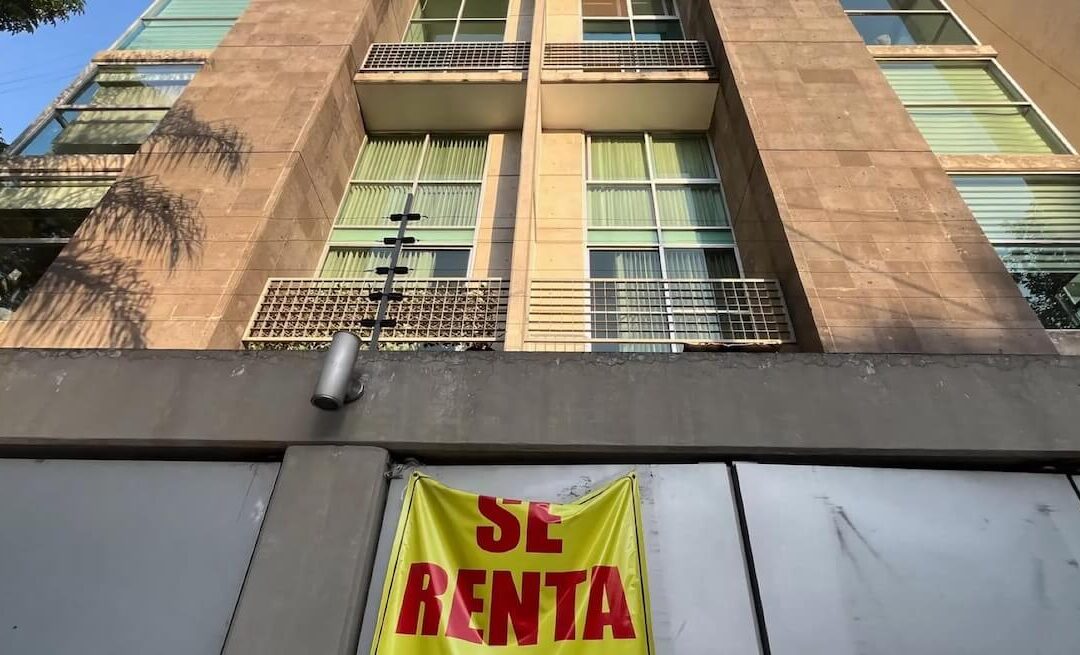
For unfurnished rentals, focus your search on local classified sites like Vivanuncios and Inmuebles24, walking neighborhoods and looking for “Se Renta” signs posted on properties, local Spanish Facebook groups and Marketplace listings, local real estate agents who focus on long-term rentals, and word of mouth in your chosen community. Searching for unfurnished rentals often requires more Spanish language ability and integration into local systems, but can also lead to better deals and properties that aren’t marketed to foreigners at premium prices.
Lease Term Flexibility
Furnished and unfurnished rentals often come with different lease term expectations that reflect their different target markets. Furnished rentals are often available for shorter terms ranging from monthly to three-month to six-month commitments, offer more flexible lease structures, and sometimes make it easier to find month-to-month options, though these typically come at a premium price. The flexibility reflects the furnished rental market’s focus on short-term residents, digital nomads, and people still exploring their options in Mexico.
Unfurnished rentals typically expect longer commitments with one-year minimums being common, come with more rigid lease structures focused on stable long-term tenancy, offer better rates for longer commitments since landlords value stability, and rarely offer month-to-month options. If flexibility is important to you and you’re not ready to commit to a year or more in one location, this difference may significantly influence your decision toward furnished rentals.
Furnishing an Unfurnished Rental
If you decide on an unfurnished rental, understanding how to furnish it economically and effectively is important for both your budget and your timeline.
Where to Buy Furniture in Mexico
Mexico offers diverse options for furnishing your home at various price points, from budget-friendly to high-end:
Budget-friendly options:
-
- Mercado Libre (Latin America’s version of eBay with new and used items).
- Facebook groups (local groups for most towns/cities/areas).
- Facebook Marketplace (growing selection of local sellers).
- Second-hand stores (vary by location but can offer great finds).
- Tianguis or local markets (can find furniture though quality varies).
Mid-range retailers:
-
- Coppel and Elektra (major chains with financing options).
- Muebles Dico (furniture-focused chain store).
- Local furniture manufacturers (often better quality than chains).
Higher-end options:
-
- Liverpool (department store chain with quality home goods).
- Custom furniture makers (many Mexican craftspeople create beautiful pieces).
- Imported furniture stores (found in major cities and expat areas).
Mexico has IKEA stores in major cities including Mexico City, Guadalajara, and Puebla, with national delivery available, though shipping can be expensive to remote locations.
Timeline and Approach
Furnishing a rental takes time, which is important to factor into your planning. Fast furnishing within one to two weeks is possible if you buy from readily available stores and focus on essentials first, though you may need temporary accommodations while furnishing and will have limited time for comparison shopping. This rushed approach often means compromising on quality or paying more than necessary.
A more moderate timeline of about one month is more realistic for most people and offers significant advantages. It allows time to find good deals and quality items, the opportunity to mix new purchases with second-hand finds, and a less stressful shopping experience overall. You can take time to measure spaces, compare options, and make thoughtful decisions rather than rushed purchases you might regret.
A leisurely approach spanning two to three months is ideal if you have temporary furnished housing while you shop. This timeline provides maximum opportunity for deals and perfect finds, allows you to wait for specific items or custom work, and enables thoughtful decisions rather than rushed purchases. Many people arriving in Mexico stay in short-term furnished accommodations like Airbnb or extended-stay hotels while searching for and furnishing their long-term unfurnished rental. This approach eliminates the stress of trying to move in before your new home is ready and gives you time to explore furniture options without pressure.
Making Your Decision
With all these factors in mind, approaching your final decision systematically will help you choose wisely.
How long you’ll stay is fundamental to the decision. Stays under six months make a strong case for furnished rentals, stays of six to twelve months mean either could work well depending on other factors, and stays over twelve months suggest seriously considering unfurnished. Your budget matters differently depending on your timeframe. Your need for mobility, tolerance for furnished quality, and available time and energy all factor into the decision.
If you’re uncertain, consider starting with a furnished rental short-term while exploring your area and getting a feel for your neighborhood and the local market. Then search for an unfurnished rental during this time while purchasing furniture gradually before transitioning. This reduces the risk of committing before you’re sure about location and lifestyle preferences. Some people test different options by trying furnished in one location, then unfurnished in another, learning from direct experience what works best for their situation.
Regardless of which option you choose, maximize value by negotiating longer-term leases for better rates, asking about off-season discounts in tourist areas, and looking for properties that include major appliances even if classified as unfurnished. Watch out for red flags like landlords unwilling to provide detailed inventories, refusing to allow documentation before move-in, being vague about exactly what’s included, or resisting putting agreements in writing.
Conclusion
The decision between furnished and unfurnished rentals in Mexico is highly personal and depends on your unique circumstances, priorities, and plans. Furnished rentals provide convenience, flexibility, and simplicity, making them ideal for short-term stays, frequent movers, and those who prioritize ease over personalization. Unfurnished rentals offer long-term cost savings, complete control over your living environment, and the satisfaction of creating a true home rather than temporary accommodation.
Many foreigners find that their needs change over time. Starting with furnished rentals while exploring Mexico and later transitioning to unfurnished properties once you’ve found your ideal location is a common and sensible progression. Your first rental decision doesn’t lock you into that approach forever, and changing your approach as your understanding of your needs evolves is perfectly normal.
Whichever option you choose, take time to thoroughly understand what’s included, document everything carefully, and ensure all agreements are in writing. With proper preparation and clear expectations, both furnished and unfurnished rentals can provide a wonderful foundation for your life in Mexico.
Please feel free to leave us a comment below about your experiences with furnished or unfurnished rentals in Mexico. Whether you found the perfect furnished place that made your transition seamless, or you loved creating your own space in an unfurnished rental, we would love to hear your story!
Additionally, if you found this article helpful, consider sharing it with others who might benefit from it. A quick share goes a long way in helping others discover useful information!






0 Comments