
For anyone moving to or living in Mexico, establishing a local banking relationship is a decision that warrants careful consideration. While it’s entirely possible to live in Mexico using foreign bank accounts and alternative payment methods, a Mexican bank account can simplify certain financial activities and provide advantages in specific situations. However, the process of opening an account involves navigating unfamiliar banking systems, documentation requirements, and varying policies across institutions. This comprehensive article explains the requirements, procedures, and considerations involved in opening a bank account in Mexico, helping you understand what to expect and make an informed decision about whether it’s the right choice for your circumstances.
Should You Open a Mexican Bank Account?
Before diving into the mechanics of opening an account, it’s important to objectively evaluate whether you actually need one. Many foreigners successfully manage their finances in Mexico without local bank accounts, relying on foreign accounts and modern financial tools. The decision depends on your specific circumstances, length of stay, and financial activities.
Modern Alternatives to Mexican Bank Accounts
Several options now exist that reduce or eliminate the traditional need for a local bank account. U.S. banks like Charles Schwab offer checking accounts that reimburse all ATM fees worldwide and charge no foreign transaction fees, effectively allowing you to use Mexican ATMs without penalty. Services like Wise (formerly TransferWise) have revolutionized international money management, offering debit cards that hold multiple currencies and convert at competitive rates with minimal fees. These tools have genuinely changed the landscape for foreigners living abroad.
For everyday expenses, numerous payment methods don’t require a Mexican bank account. Many landlords accept rent payments through international wire transfers, payment platforms like PayPal or Wise, cash, or even U.S. checks if they have cross-border banking relationships. Utilities can often be paid at convenience stores like OXXO using cash or foreign credit cards. Most retailers, restaurants, and service providers accept major credit cards with varying degrees of reliability.
When a Mexican Bank Account Makes Sense
Despite these alternatives, Mexican bank accounts offer specific advantages in certain situations. Understanding these benefits helps you determine if opening an account aligns with your needs.
If you’re employed in Mexico or operating a business here, a Mexican bank account is essentially mandatory. Employers require local accounts for payroll deposits, and managing business finances without a local banking presence creates significant complications. Similarly, if you’re receiving regular income from Mexican sources, having a local account for deposits is far more practical than arranging international transfers.
For those applying for permanent residency without waiting the standard four-year temporary residency period, you’ll need to demonstrate financial solvency to INM (Instituto Nacional de Migración). Having funds in a Mexican bank account with a documented history could potentially streamline this process from a paperwork perspective, as it provides clear, locally-issued documentation of your financial status. Additionally, even though financial solvency isn’t required for temporary residency renewals, INM reserves the right to request any documentation they deem necessary, which can include bank statements. Having Mexican bank statements readily available can be advantageous in these situations. The primary benefit being that the documenation does not need to be notarized, apostilled, translated, etc.
Building a credit history in Mexico is another consideration. While having an account alone doesn’t establish credit, it’s typically a pre-requisite for obtaining Mexican credit cards, financing, or loans. If you plan to make significant purchases in Mexico or might need credit in the future, establishing a banking relationship early can be beneficial.
Automatic bill payment (domiciliación) is genuinely convenient for long-term residents. While you can pay utilities at convenience stores, setting up automatic payments eliminates the monthly task entirely and ensures you never face service interruptions due to missed payments. This convenience increases in value the longer you live in Mexico.
Some landlords and service providers strongly prefer or require Mexican bank account payments, particularly for automatic monthly transfers. While this isn’t universal, it’s common enough that having a local account can expand your housing and service options.
For larger financial transactions like purchasing property or vehicles, Mexican bank accounts can simplify the process. Notaries and dealerships are accustomed to working with local banking systems, and some may be reluctant or unable to process large international transactions.
Finally, having a Mexican bank account provides a layer of financial redundancy. If issues arise with your foreign bank or cards, having local access to funds can be invaluable. Currency held in pesos also insulates you from exchange rate fluctuations for your Mexican expenses.
The Bottom Line
Opening a Mexican bank account is not universally necessary. Short-term visitors, digital nomads spending a few months in Mexico, or those with excellent foreign banking options may find the administrative effort outweighs the benefits. However, for employed individuals, business owners, or legal residents who want to fully integrate into Mexican financial systems, a local account becomes increasingly valuable. Evaluate your specific situation, planned length of stay, income sources, and financial activities to determine if opening an account makes sense for you.
Types of Bank Accounts Available
Mexican banks offer several types of accounts, each designed for different needs and customer profiles. Understanding these options helps you select the most appropriate account for your situation.
Cuenta de Débito (Debit Account)
This is the most basic and common type of account for everyday banking. A cuenta de débito functions similarly to checking accounts in the U.S. or Canada. It comes with a debit card that you can use for purchases and ATM withdrawals. These accounts typically have minimal or no monthly fees, especially if you maintain a minimum balance or meet certain transaction requirements. Cuenta de débito accounts are ideal for foreigners who primarily need an account for receiving deposits, paying bills, and making everyday purchases.
Cuenta de Nómina (Payroll Account)
If you’re employed in Mexico, your employer will likely require you to open a cuenta de nómina for receiving your salary. These accounts are specifically designed for payroll deposits and often come with favorable terms including no monthly fees, free debit cards, and sometimes additional benefits like insurance products or preferential rates on other banking services. Many employers have relationships with specific banks and may direct you to open your payroll account with their preferred institution.
Cuenta de Ahorro (Savings Account)
Savings accounts in Mexico function similarly to those in other countries, offering interest on deposited funds while limiting the number of withdrawals you can make each month. Interest rates on Mexican savings accounts are generally higher than in the U.S. or Canada, though they’ve decreased in recent years. These accounts are suitable if you want to keep funds in Mexico for medium to long term savings while maintaining some liquidity. However, be aware that interest earned is subject to Mexican taxation.
Cuenta de Inversión (Investment Account)
For those interested in investing within the Mexican financial system, cuentas de inversión provide access to various investment products including government bonds (CETES), mutual funds, and other securities. These accounts typically require higher minimum balances and may have more stringent documentation requirements. They’re most appropriate for residents who plan to be in Mexico long-term and want to diversify their investments within the Mexican market.
Documentation Requirements
The documentation required to open a bank account in Mexico varies somewhat between institutions and account types, but there are common requirements that nearly all banks enforce. Understanding these requirements and preparing your documents in advance significantly streamlines the account opening process.
Valid Identification
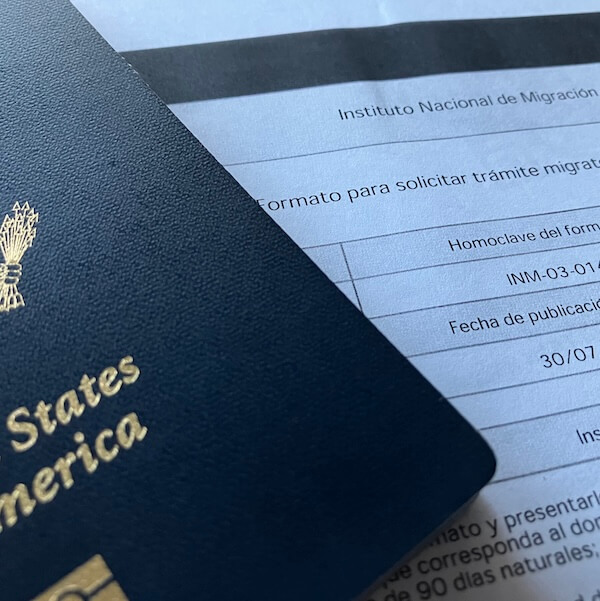
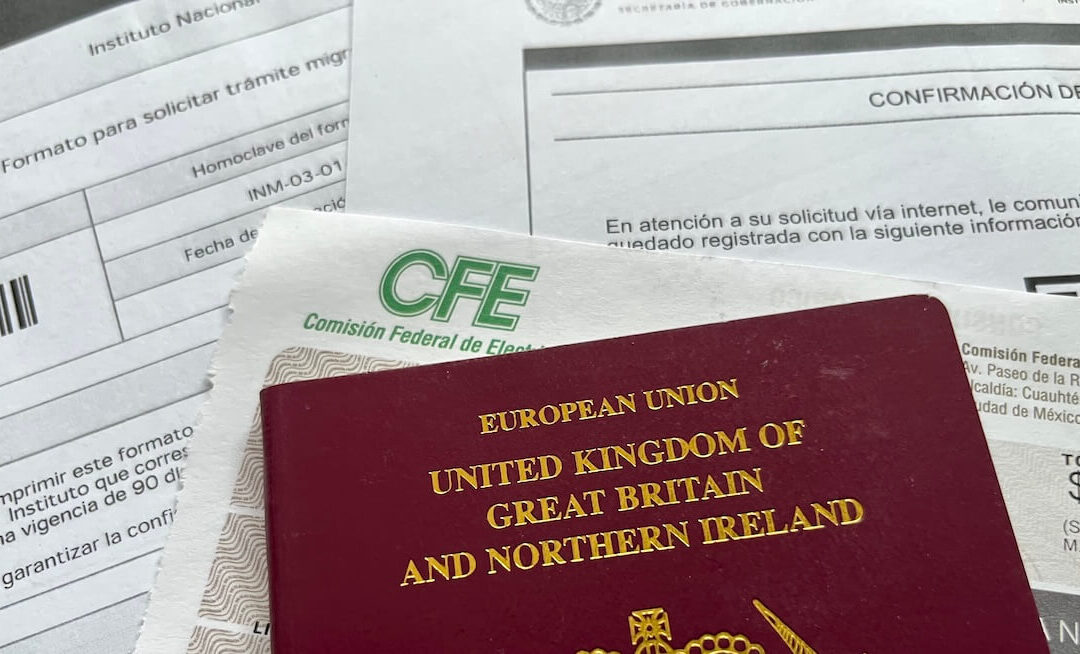
Your primary form of identification will be your passport. While Mexican citizens and can use other forms of ID, foreign nationals who are legal residents will almost universally need to present a valid passport. Some banks may accept other government-issued photo identification, but a passport is the safest bet and the document most likely to be accepted without question.
Your passport must be current and valid. Banks will photocopy the identification page, and bank staff will verify that the photo matches your appearance. If your passport is nearing expiration or has significant wear and damage that makes the photo unclear, consider renewing it before attempting to open an account.
Proof of Legal Status in Mexico
This is one of the most critical requirements and a significant barrier for many foreigners. The reality is that some traditional banks will only open accounts for permanent residents, though some will work with temporary residents. The specific documents required vary based on your immigration status.
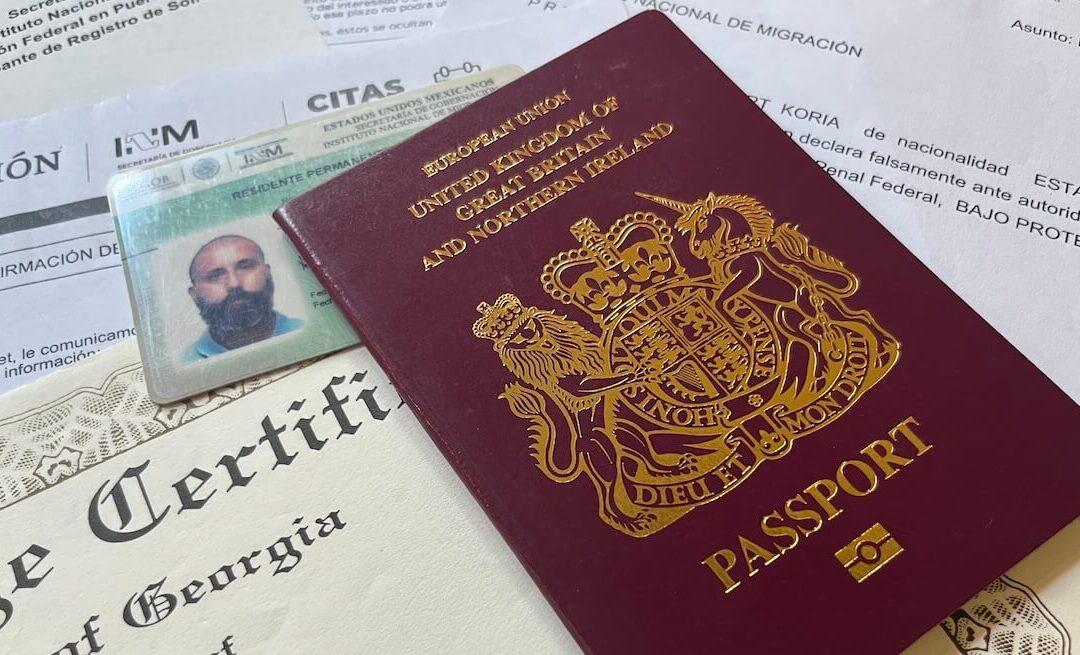
If you hold permanent residency, you’ll need to present your residency card (tarjeta de residencia). The card must be current and not expired. Banks will photocopy both sides of the card. Having permanent residency generally makes the account opening process smoother and opens more banking options, as some institutions reserve certain accounts exclusively for permanent residents.
Temporary residents face more limitations. While some banks will open accounts for temporary residents, others restrict this service to permanent residents only. If your temporary residency is nearing expiration, banks may require evidence that you’re in the process of renewal before opening an account. It’s worth calling ahead to verify whether a particular bank works with temporary residents before making the trip to a branch.
For those on FMM tourist permits (or tourist visas), opening a traditional bank account is generally impossible at major banks. However, some fintech companies have emerged that cater to tourists and temporary visitors, offering limited banking services without the residency requirement. These services typically provide basic debit cards and account functionality but still usually require an RFC, which itself typically requires legal residency to obtain.
Registro Federal de Contribuyentes (RFC)
Your RFC tax identification number is now virtually required by all banks and even most fintech companies. Recent legislation has made opening an account without an RFC nearly impossible. This requirement exists because SAT (Servicio de Administración Tributaria) wants to ensure compliance with various laws, including anti-money laundering regulations.
The RFC serves a similar function to a Social Security Number in the U.S. or Social Insurance Number in Canada. It identifies you within the Mexican tax system and is essential for banks to comply with tax reporting requirements. Since RFCs are typically only issued to legal residents, this effectively means that opening a bank account in Mexico requires at minimum temporary residency status.
You obtain your RFC from SAT, Mexico’s tax authority. The process requires scheduling an appointment at a local SAT office, and bringing the required supporting documenation. SAT typically issues your RFC during your appointment, providing you with a Constancia de Situación Fiscal document that confirms your RFC number and tax status.
Proof of Address
Banks require verification of your address in Mexico. Acceptable proof of address typically includes recent utility bills (CFE electricity bill, water bill, or internet/phone bill from Telmex, Izzi, or other providers), a rental contract or lease agreement, or a property deed if you own your home.
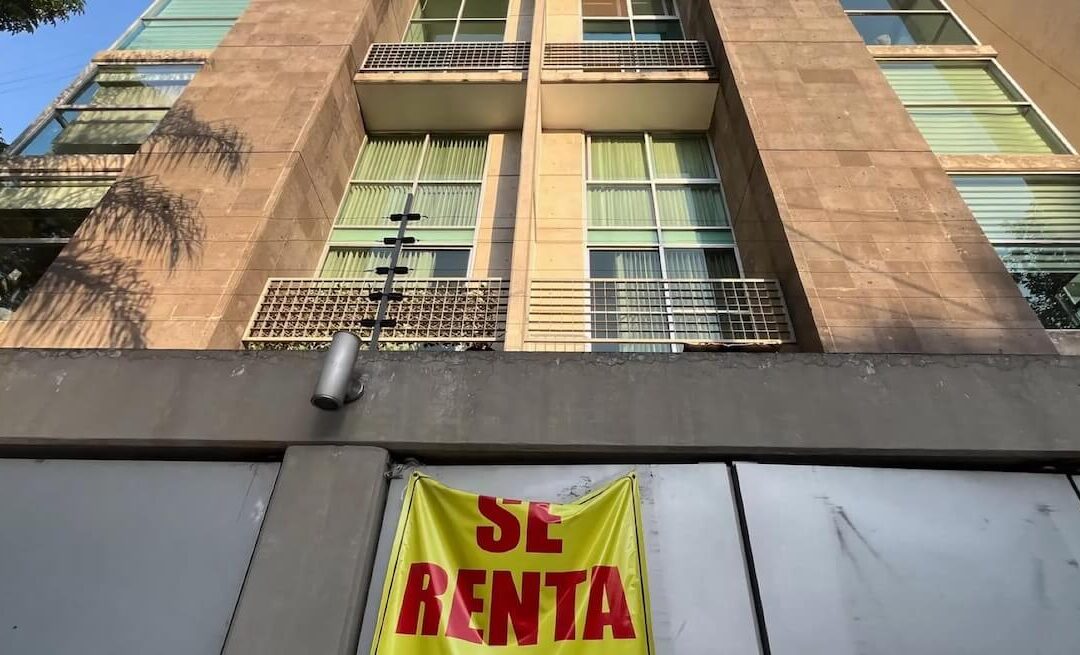
An important distinction from banking practices in the U.S. or Canada is that proof of address typically does not need to be in your name. This is true for almost every transaction in Mexico, and there’s a practical reason for it. Some utility bills, particularly CFE (electricity), affect the account holder’s credit history. Because of this, unless you own the property, the bill will always remain in the owner’s name. There is no option to change it. This isn’t like the U.S. where tenants routinely have utilities transferred into their names.
The document must be recent, typically from within the last 90 days. If the utility bill is in your landlord’s name, you can typically provide it by itself. Some banks may request a a photo ID of the account holder name, though this varies by institution.
Digital bank statements or electronic utility bills are increasingly accepted, but some more traditional banks may insist on paper documents. If you receive bills electronically, print them and bring them to your appointment.
CURP
The CURP (Clave Única de Registro de Población) is your population registry code. While Mexican citizens receive their CURP at birth, foreign residents can obtain one from the Mexican government. Some banks require the CURP for account opening, while others don’t.
You can obtain your CURP document online through the government website and print it yourself. The process is straightforward and free. Since it’s easy to obtain and some banks do require it, getting your CURP before attempting to open an account eliminates potential delays.
Proof of Phone Number
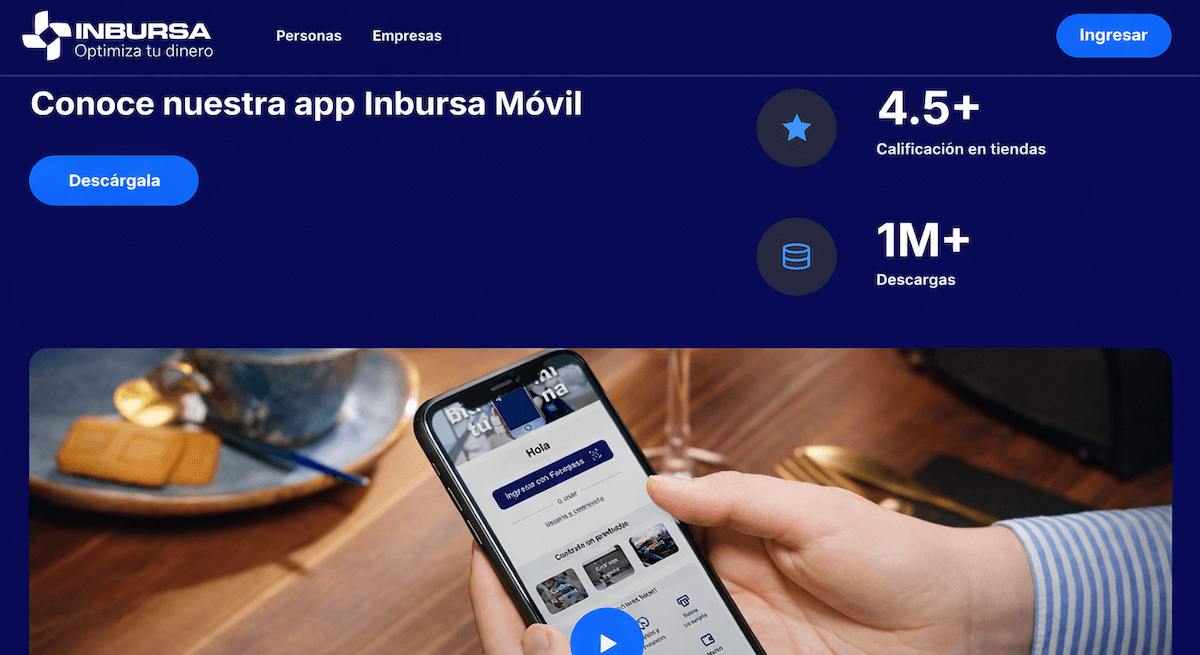
Some banks, such as Inbursa, require proof of a landline or cell phone contract. This requirement exists because during the account opening validation process, verification must be completed from the telephone number you provided on your application. This is part of their identity verification procedures. If your chosen bank has this requirement, you’ll need to provide documentation such as a phone bill or contract. The bill does not necessarily need to be in your name, but this may vary by institution.
Initial Deposit
Most banks require an initial deposit to activate your account. The amount varies significantly depending on the bank and account type, ranging from as little as 100 pesos for basic accounts to several thousand pesos for premium accounts with additional benefits.
Some banks waive the initial deposit requirement for payroll accounts or if you meet certain criteria like being a student or retiree. Always ask about initial deposit requirements when researching banks so you come prepared with sufficient funds.
The Account Opening Process
Once you’ve gathered all necessary documentation, the actual process of opening an account follows a generally similar pattern across most Mexican banks, though specific procedures and timelines vary.
Step 1: Research and Select a Bank
Your first step is determining which bank best suits your needs. Mexico has both traditional banks with extensive branch networks and newer digital banks or fintech companies offering online focused services. Factors to consider include branch and ATM availability in your area, monthly fees and account maintenance costs, whether they accept temporary or only permanent residents, language services if you’re not fluent in Spanish, online and mobile banking quality, and international transfer capabilities if you need to send or receive money from abroad.
Major traditional banks like BBVA, Santander, Banorte, Banamex, HSBC, and Scotiabank have extensive branch networks throughout Mexico. These established institutions offer the security of long operating histories and comprehensive services, though they may have higher fees and more bureaucratic processes. Newer digital options like Nubank (commonly referred to as Nu) and other fintech platforms often provide more streamlined account opening, lower fees, and modern mobile apps, though they may lack physical branches for in person service and typically still require RFC and residency documentation.
Consider visiting or calling several banks to ask about their requirements, fees, and services before committing. Some banks are more foreigner friendly than others, and staff experience working with foreign residents varies significantly even between branches of the same bank.
Step 2: Schedule an Appointment (If Required)
Some Mexican banks now require or strongly prefer that you schedule an appointment rather than simply walking into a branch. This is particularly true in larger cities and at popular branches. Some banks allow you to schedule appointments online through their websites or mobile apps. Others require calling the branch directly or visiting in person to schedule a future appointment.
When scheduling, specify that you want to open an account as a foreign resident. This ensures the bank assigns you to a representative who is familiar with the documentation requirements and processes for non-Mexican citizens. Some larger branches in areas with significant foreign populations have staff who speak English or other languages, and you can request such assistance when making your appointment.
Step 3: Visit the Branch
On the day of your appointment, arrive a few minutes early and bring all required documents. It’s wise to bring both original documents and copies, as some banks want to keep copies while others will make their own. Having duplicates prevents delays if the bank’s copier is broken or busy.
You’ll meet with a bank representative who will review your documents, verify your information, and guide you through the account opening process. They’ll ask you to complete various forms, which will be in Spanish. If you’re not fluent, having a bilingual friend accompany you or using a translation app can help ensure you understand what you’re signing.
The representative will verify your identity, often by comparing your appearance to your passport photo. They’ll photocopy or scan all your documents. Many banks now require biometric data including fingerprints and a signature captured on a digital pad. This biometric information helps prevent fraud and verify your identity for future transactions.
A critical point about signatures: Mexican banks are extremely particular about signature consistency. Your signature must match what appears on your passport and residency card. If you’ve changed your signature style over the years or sign casually versus formally, this can create issues. Practice signing your name exactly as it appears on your official documents before your appointment. Bank staff will scrutinize signature matches carefully, and inconsistencies can result in your application being rejected or delayed.
Be prepared to provide additional information beyond what’s on your documents. Banks typically ask about your employment status, source of income, expected account activity, and whether you’ll be receiving international transfers. These questions help banks comply with anti-money laundering regulations and assess risk.
Step 4: Make Your Initial Deposit
After completing the paperwork, you’ll make your initial deposit if one is required. Banks in Mexico may handle deposits differently than in the U.S. or Canada. Most individuals who need to make a deposit goes inside the bank and works with a teller. ATM deposits are not a common feature at Mexican banks, unlike in the U.S. where depositing cash or checks at ATMs is routine. While some Mexican ATMs may technically have deposit functionality, it’s extremely rare to see anyone using this feature.
Most banks accept cash deposits for initial funding, and this is often the simplest method. Some may also accept transfers from another Mexican bank account, though this doesn’t help for your very first account. Foreign wire transfers can take several days to process and may incur fees, so they’re typically not practical for initial deposits.
If you’re depositing cash, ensure you have the exact amount or be prepared to have the excess returned to you. Banks can be particular about the condition of bills, sometimes refusing torn or excessively worn currency.
Step 5: Receive Your Account Information and Card
Once your account is opened and funded, the bank will provide you with your account number and other essential information. Most banks will either issue your permanent debit card immediately at the conclusion of your appointment, or they’ll ask you to return to the branch a few days later to pick it up. Traditional banks in Mexico do not typically mail debit or ATM cards to your address. The practice of mailing cards that’s common in the U.S. and Canada is not standard here. You’ll need to either receive the card in person during your initial visit or make a return trip to collect it.
Temporary cards are also not a common practice at Mexican banks. You’ll receive your permanent card either immediately or within a few days, but there generally isn’t an interim temporary card option.
You’ll receive or set up your PIN (referred to as NIP in Mexico) for ATM and debit card use. The bank will also provide information about online banking access, including how to register for their website and mobile app. Some banks activate these services automatically, while others require you to register separately after account opening.
The bank should provide you with documentation confirming your account opening, including your account number, the terms and conditions of your account, and information about fees and services. Keep these documents safe as you’ll need your account number for various transactions.
Digital and Fintech Banking Options
In recent years, Mexico has seen significant growth in digital banking and fintech companies that offer alternatives to traditional banks. These services often provide more streamlined account opening processes, lower fees, and modern technology platforms, though they may lack some of the services and security of established banks.
Nu has become increasingly popular in Mexico, offering no fee checking accounts with debit cards and a highly rated mobile app. The account opening process is entirely digital and can be completed from your phone in minutes, though you still need to provide an RFC and typically residency documentation. Nu’s appeal lies in its simplicity, transparency, and lack of hidden fees.
Other fintech companies offering banking services in Mexico include Albo, Klar, and Stori. Each has its own requirements, fee structures, and service offerings. However, it’s important to note that virtually all of these fintech companies still require an RFC, which means they’re generally only accessible to legal residents. The notion that fintech companies provide easy alternatives for tourists or those without residency is largely a misconception.
These digital options are particularly attractive to younger users, digital nomads with proper residency status, and those who prefer managing finances entirely through mobile apps rather than visiting physical branches. However, digital banks have limitations. They typically lack physical branches where you can deposit cash, get in person help, or resolve complex issues face to face. Their ATM networks may be smaller, potentially resulting in fees when using other banks’ ATMs. Some also have restrictions on deposit amounts or international transfers that might not suit all users’ needs. Finally, they also have a lower amount that is financially protected by federal insurance.
Many residents find that having both a traditional bank account and a digital account provides the best of both worlds: the comprehensive services and branch access of traditional banks combined with the convenience and low fees of digital platforms.
Common Challenges and How to Overcome Them
Even with proper preparation, foreigners often encounter challenges when opening Mexican bank accounts. Understanding these potential obstacles and their solutions helps you navigate the process more smoothly.
Inconsistent Requirements Between Branches
One of the most frustrating aspects of Mexican banking is that requirements and policies can vary not just between banks but between branches of the same bank. One branch might accept a rental contract as proof of address while another insists on a utility bill. One representative might process your application smoothly while another finds issues with the same documentation.
The solution is persistence and flexibility. If one branch rejects your application or makes unreasonable demands, try a different branch or even a different bank. Branches in areas with more foreign residents tend to be more familiar with the process and more accommodating of documentation that might not fit the traditional Mexican model. Ask other foreigners in your area which banks and branches they’ve had success with.
Language Barriers
If you’re not fluent in Spanish, the account opening process can be daunting since nearly all documentation and procedures are conducted in Spanish. Misunderstanding terms and conditions or incorrectly filling out forms can delay or derail your application.
Several strategies help overcome language barriers. Bringing a bilingual friend or hiring a translator for the appointment ensures you understand what you’re signing. Some banks in tourist areas or cities with large foreign populations have English-speaking staff, so ask when scheduling your appointment. Translation apps like Google Translate can help with forms, though they shouldn’t be your only resource for legal documents. Taking the time to learn basic banking vocabulary in Spanish before your appointment also helps.
Residency Status Limitations
Many foreigners don’t realize that some banks only work with permanent residents. If you hold temporary residency, your options may be more limited. This varies by institution, so research and call ahead to verify whether a particular bank accepts temporary residents before investing time in gathering documents and scheduling appointments.
Signature Consistency Issues
Mexican institutions are remarkably particular about signature consistency, far more so than banks in the U.S. or Canada. If your signature has evolved over time or you tend to sign casually on some documents and formally on others, this will create problems. Before your appointment, examine your signature on your passport and residency card. Practice replicating it exactly. When signing bank documents, take your time and ensure your signature matches your official documents precisely. This attention to detail can prevent rejection or delays.
After Opening Your Account
Successfully opening your account is just the beginning of your relationship with your Mexican bank. Understanding how to manage and use your account effectively ensures you get maximum benefit while avoiding unnecessary fees or complications.
Activate and Learn Online Banking
If your bank didn’t automatically activate online banking, do so as soon as possible. Online banking in Mexico has improved dramatically in recent years, with most major banks offering robust websites and mobile apps that allow you to check balances, transfer money, pay bills, and manage your account without visiting a branch.
Download your bank’s mobile app and familiarize yourself with its features. Most Mexican banking apps support biometric login (fingerprint or face recognition) for added security and convenience. Set up any notifications or alerts you want to receive about transactions, balance thresholds, or security events.
Understand Fee Structures
Mexican banks can charge various fees, and understanding these helps you avoid unnecessary costs. Common fees include monthly maintenance fees which may be waived if you maintain minimum balances or meet transaction requirements, ATM fees for using other banks’ ATMs beyond any free allowances, transfer fees for some types of electronic transfers, and insufficient funds fees if transactions are attempted without adequate balance.
Review your account’s fee schedule and structure your banking behavior to minimize costs. For example, if your account includes five free ATM withdrawals per month at other banks, consolidate your cash needs to stay within that limit.
Set Up Automatic Bill Payments
One of the greatest conveniences of having a Mexican bank account is the ability to set up automatic payments (domiciliación) for recurring bills. Most utility companies, internet providers, and other service providers offer this option, which automatically deducts the bill amount from your account each billing period.
Setting up automatic payments typically requires providing your account information to the service provider, often through their website or customer service. Some banks also allow you to set up automatic payments through the banking app or website. This eliminates the need to remember payment due dates and ensures you don’t face service interruptions for late payments.
Monitor Your Account Regularly
Regularly checking your account helps you catch unauthorized transactions, monitor your spending, ensure automatic payments processed correctly, and identify any bank fees that seem incorrect. Most banks’ mobile apps make it easy to check your account daily or weekly with just a few taps.
If you notice any transactions you don’t recognize, contact your bank immediately. Mexican banks have fraud protection procedures, but quick reporting is essential for successful resolution.
Keep Your Information Updated
If you move, change phone numbers, or update your email address, notify your bank promptly. Banks send important communications about your account, and outdated contact information can cause you to miss critical notices about fees, policy changes, or security issues.
Most banks allow you to update contact information through online banking, though address changes typically require visiting a branch with new proof of address. Keep your passport information current as well. If you renew your passport, inform your bank of the new passport number and expiration date.
Using Your Mexican Bank Account
Once your account is active, understanding how to use it effectively for common transactions helps you navigate everyday banking in Mexico.
Making Deposits
In Mexico, deposits are typically handled in-person at bank branches with tellers. Unlike in the U.S. or Canada where ATM deposits are commonplace, Mexican banking culture involves going inside the bank for deposit transactions. While some ATMs may technically have deposit functionality, this is not a feature that’s commonly used or widely available.
For cash deposits, visit your bank branch during business hours and work with a teller. Be prepared to show identification for larger deposits, as banks must comply with anti-money laundering regulations. Ensure your cash is in good condition, as banks may refuse torn or excessively worn bills.
Transferring Money
Mexican banks have developed efficient electronic transfer systems. The most common is SPEI (Sistema de Pagos Electrónicos Interbancarios), which allows instant transfers between bank accounts at different institutions. These transfers typically process within seconds and are available 24/7, including weekends and holidays.
To send a SPEI transfer, you need the recipient’s 18 digit CLABE (Clave Bancaria Estandarizada) number, which is unique to their account. You can initiate transfers through online banking, mobile apps, or at bank branches. Some banks may offer a certain number of free SPEI transfers each month, after which small fees apply.
For international transfers, you have several options. Traditional bank wire transfers are available but can take several days and incur higher fees depending on the origin bank. Transfer services like Wise, Remitly, and others have become popular for sending money internationally, often offering better exchange rates and lower fees than traditional wire transfers.
However, it’s important to note a cautionary consideration about using services like Wise for transfers. According to some accountants who specialize in Mexican tax compliance, traditional international wire transfers are often the better option from a digital paper trail and accounting perspective. Some banks, such as Intercam (now Kapital Bank), have experienced recent troubles specifically related to Wise transfers and anti-money laundering concerns. Financial institutions are becoming increasingly scrutinous about the source of funds, and transfers from services like Wise sometimes raise more questions than traditional bank-to-bank wire transfers. If you’re making regular or large transfers, or if you need clear documentation for tax purposes, consult with your accountant about which transfer method creates the cleanest paper trail for your specific situation.
Withdrawing Cash
You can withdraw cash from ATMs using your debit card. Using your own bank’s ATMs is typically free up to a certain number of monthly transactions. Using other banks’ ATMs may incur fees, though many banks offer a few free withdrawals at partner ATMs each month.
ATM withdrawal limits vary by bank and account type but typically range up to 12,000 MXN or so per day. If you need to withdraw larger amounts, you can make multiple withdrawals on different days or withdraw cash from a teller inside the branch.
Be cautious about ATM safety, especially when withdrawing cash in unfamiliar areas or at night. Use ATMs inside bank branches when possible, and avoid those in isolated locations. Always shield the keypad when entering your PIN.
Tax Implications
Having a Mexican bank account creates certain tax reporting obligations both in Mexico and potentially in your home country. Understanding these requirements helps you remain compliant and avoid penalties.
In Mexico, banks report account information to SAT (Servicio de Administración Tributaria), the tax authority. Interest earned on Mexican bank accounts is subject to Mexican income tax. Banks typically withhold taxes on interest automatically, but you may need to file annual tax returns depending on your total income and residency status.
As an example, for U.S. citizens and green card holders, there are additional reporting requirements. The Foreign Account Tax Compliance Act (FATCA) requires reporting foreign financial accounts on your U.S. tax return. If the aggregate value of your foreign accounts exceeds $10,000 USD at any point during the year, you must file a Report of Foreign Bank and Financial Accounts (FBAR) with FinCEN. Additionally, you may need to file Form 8938 with your tax return if your foreign assets exceed certain thresholds.
Citizens of other countries should consult with tax professionals in their home countries to understand their reporting obligations. Many countries have tax treaties with Mexico that may affect how your Mexican accounts and income are treated.
Failing to properly report foreign accounts can result in significant penalties, so it’s worth consulting with a tax professional who has experience with cross-border taxation if you’re uncertain about your obligations.
Security Considerations
Protecting your Mexican bank account from fraud and unauthorized access requires vigilance and good security practices.
Never share your PIN or online banking passwords with anyone. Banks will never call and ask for this information. Be skeptical of any communication claiming to be from your bank that requests sensitive information. If you receive a suspicious call or email, hang up or delete it and contact your bank directly using the number on their official website or your debit card.
Use strong, unique passwords for online banking and change them periodically. Enable two-factor authentication if your bank offers it, adding an extra layer of security beyond just a password. Many Mexican banks offer authentication through their mobile apps, sending notifications for you to approve before transactions are processed.
Monitor your account regularly for unauthorized transactions. The sooner you report fraudulent activity, the better your chances of recovering funds and preventing additional unauthorized transactions. Most banks have 24-hour fraud hotlines you can call if you suspect unauthorized activity.
Be cautious about using public Wi-Fi for banking transactions. Public networks can be vulnerable to interception. If you must use public Wi-Fi, use a VPN (Virtual Private Network) to encrypt your connection.
When using ATMs, be alert to your surroundings. Cover the keypad when entering your PIN to prevent shoulder surfing. Check the ATM for any unusual attachments that might indicate the presence of skimming devices. If an ATM seems tampered with or looks suspicious, use a different one.
Helpful Online Resources
Stay up to date on banking requirements and processes by visiting the following websites:
-
- CONDUSEF: Mexico’s National Commission for the Protection and Defense of Users of Financial Services, which provides consumer protection and information about banking rights.
- CNBV (Comisión Nacional Bancaria y de Valores): Mexico’s National Banking and Securities Commission, which regulates and supervises financial institutions and provides information about registered banks and financial services
- SAT: Mexico’s tax authority, where you can obtain your RFC and find tax-related information.
Conclusion
Opening a bank account in Mexico is not a universal necessity, but it can be a valuable tool for those who are employed here, operating businesses, or planning to live in Mexico long-term. Modern alternatives like Wise and fee-free foreign bank accounts have changed the landscape, making it possible to live comfortably in Mexico without a local account in many situations. However, for those whose circumstances benefit from local banking, understanding the requirements and process is essential.
The key requirements are clear: you’ll need at least temporary residency status, an RFC, proof of address, and your passport. Some banks work only with permanent residents. Signatures must match your official documents precisely. The process involves in person visits to branches, and cards are not mailed to you. Understanding these realities before you begin eliminates surprises and frustration.
Remember that persistence often pays off. If one bank or branch creates obstacles, try another. The Mexican banking landscape varies significantly between institutions and even between branches of the same bank. Many foreigners have successfully navigated this process, and with proper preparation and realistic expectations, you can determine whether opening a Mexican bank account makes sense for your specific situation.
Please feel free to leave us a comment below about your personal experience of opening a bank account in Mexico. We would love to hear from you!
Additionally, if you found this article helpful, consider sharing it with others who might benefit from it. A quick share goes a long way in helping others discover useful information!



0 Comments