
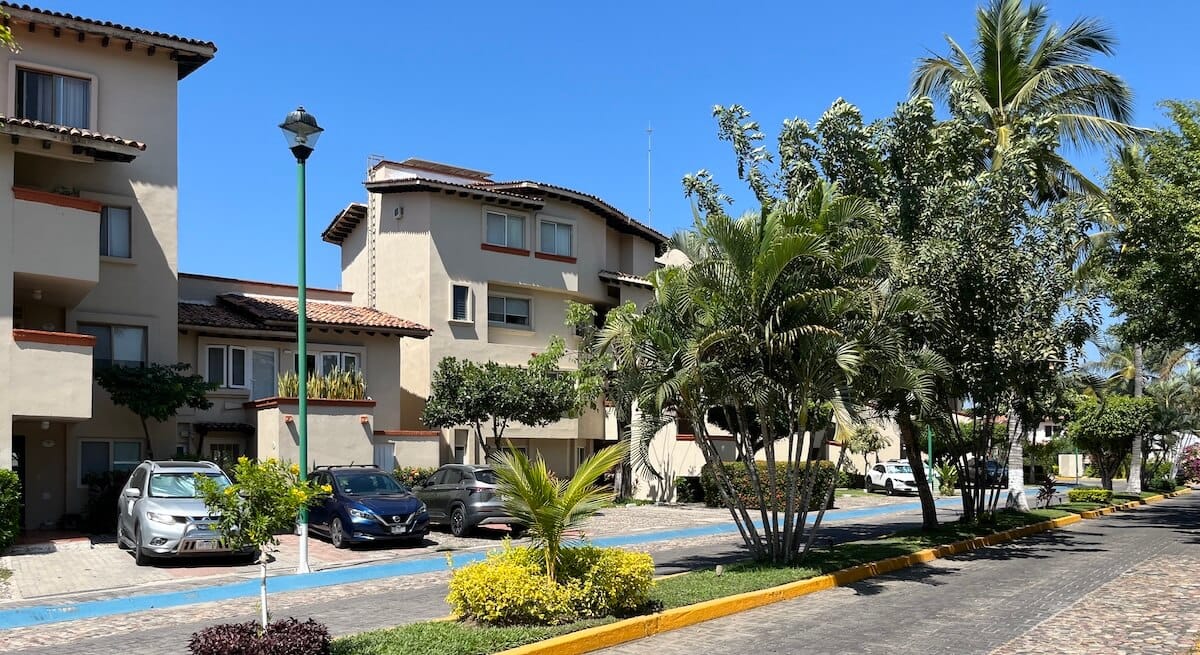
For foreigners considering a move to Mexico, one of the most important and often overlooked decisions is the type of housing to live in. Mexico offers a diverse range of options, from high-rise condominiums and apartment buildings to standalone single-family homes and homes within gated residential communities known as fraccionamientos or cotos. Each housing type comes with its own set of advantages, challenges, costs, and lifestyle implications. Understanding the differences between these options is essential to finding a home that aligns with your needs, budget, and expectations.
This article explores the main types of housing available in Mexico, what sets them apart, and the key considerations to keep in mind as you evaluate your options.
Condominiums and Apartments
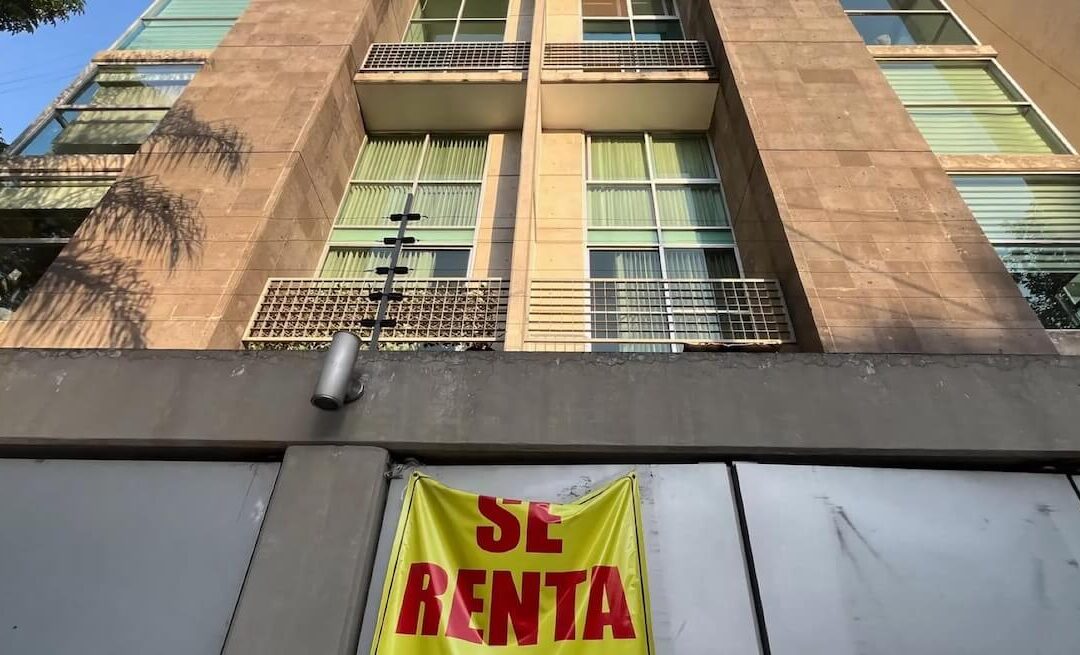
Condominiums and apartments are among the most popular housing choices for foreigners, particularly in cities, coastal destinations, and areas with a significant foreigner population. While the terms are sometimes used interchangeably, there is a distinction worth noting. A condominium typically refers to individually owned units within a shared building or complex, whereas an apartment generally refers to a rented unit within a building owned by a single landlord or property management company. In practice, both offer a similar living experience.
What to Expect
Condo and apartment living in Mexico often provides a more turnkey experience compared to other housing types. Many units come fully furnished, which is particularly appealing for those who are just arriving and have not yet shipped or acquired household goods. Buildings in popular areas are frequently equipped with amenities such as rooftop terraces, swimming pools, gyms, and secure parking.
In major urban centers like Mexico City, Guadalajara, and Monterrey, high-rise condos offer sweeping views, modern finishes, and proximity to restaurants, shopping, and cultural attractions. In beach destinations like Puerto Vallarta, Tulum, or Mazatlan, condo complexes are commonly found steps from the ocean, often with resort-style amenities.
Monthly Fees and Shared Costs
One of the defining characteristics of condo and apartment living in Mexico is the cuota de mantenimiento, or maintenance fee. This is a monthly payment that covers the upkeep of shared spaces and building infrastructure. Depending on the building and the amenities offered, these fees can range from a modest amount for a basic building to a substantial monthly expense for a luxury complex with full-time security, concierge services, and extensive facilities.
It is important to ask about maintenance fees before committing to a unit, as they are separate from your rent or mortgage payment and can meaningfully impact your overall monthly housing cost. Also ask whether utilities such as water and sometimes even basic internet are included in the fee, as this varies by building.
Rules and Regulations
Condominiums in Mexico operate under a set of internal rules and regulations known as reglamento interno. These rules govern everything from noise hours and pet policies to renovation permissions and guest policies. For foreigners accustomed to greater flexibility in their housing, this level of structure can be an adjustment.
Before signing a lease or purchasing a condo unit, request a copy of the reglamento interno and review it carefully. Pay attention to policies on short-term rentals if you plan to rent your unit out through platforms like Airbnb, as many buildings prohibit or restrict this activity. Also note any restrictions on pets, as some buildings do not allow them or limit the size or number of animals permitted.
Security
Security is often cited as one of the primary reasons foreigners choose condo or apartment living. Many buildings have controlled access through intercoms or key fob systems, security cameras, and on-site guards. Some buildings have 24-hour concierge staff who manage deliveries and visitor access, adding an additional layer of comfort and safety.
Pros and Cons of Condo and Apartment Living
Advantages: Lower maintenance responsibility for the individual resident, built-in security features, access to shared amenities, often centrally located, turnkey and furnished options widely available, sense of community within the building.
Disadvantages: Monthly maintenance fees, rules and restrictions from the homeowners association or building administration, less privacy and more shared walls compared to a standalone home, potential for noise from neighbors, limited outdoor space, and possible restrictions on short-term rentals or pets.
Standalone Single-Family Homes
For foreigners seeking more space, privacy, and freedom, a standalone single-family home, sometimes referred to simply as a casa, is a compelling option. These are independent properties with their own lot, exterior walls, yard or garden space, and sometimes with no shared walls with neighboring homes.
What to Expect
Single-family homes in Mexico span an enormous range in terms of size, quality, and price. In older neighborhoods you may find charming colonial-style homes with thick stone walls, high ceilings, interior courtyards, and traditional architectural details. In newer developments you are more likely to find modern construction with open floor plans, updated kitchens, and contemporary finishes.
One thing that surprises many foreigners is the degree to which Mexican homes differ from what they may be used to in their home countries. Insulation is often minimal, central heating and air conditioning are not standard in most areas, and construction quality can vary significantly from one property to the next. Doing a thorough inspection of any home before renting or purchasing is strongly recommended.
Space and Outdoor Areas
One of the main draws of a single-family home is the availability of outdoor space. Having a private yard, garden, terrace, or rooftop space is a significant quality-of-life benefit, particularly for those with children, pets, or simply a preference for spending time outdoors. Unlike condos, where outdoor areas are shared, a standalone home gives you full use and control of your exterior spaces.
Maintenance and Responsibility
The flip side of having more space and independence is that you are fully responsible for the maintenance of the property. This includes everything from landscaping and pest control to plumbing repairs and roof maintenance. In Mexico, finding reliable tradespeople can require some patience and local knowledge, especially when you are new to an area. Building relationships with trusted plumbers, electricians, and handymen early on is a worthwhile investment.
If you are renting, make sure the lease clearly outlines what maintenance responsibilities fall on the tenant versus the landlord. It is common in Mexico for tenants to be responsible for minor repairs up to a certain threshold, with larger structural or system issues falling on the property owner.
Utilities and Infrastructure
Standalone homes often have older utility infrastructure compared to newer condo buildings. Water pressure issues, aging electrical panels, and aging plumbing are more common in standalone homes, particularly in older neighborhoods. Ask detailed questions about the condition of the water system, including the size of the tinaco and cisterna, the age of the pump, and the reliability of the municipal water supply in that neighborhood. Inspect the electrical panel and confirm that the home can handle modern appliances and air conditioning loads.
Privacy and Noise
One of the major advantages of a single-family home is the increased level of privacy. Typically without shared walls, you are generally less impacted by the sounds of neighboring units. However, Mexico can be a noisy country regardless of housing type, and being located on a busy street, near a school, or in a neighborhood with many dogs can still mean significant ambient noise. Visiting a property at different times of day and on different days of the week remains a wise practice before committing.
Pros and Cons of Standalone Homes
Advantages: Greater privacy, more living space, private outdoor areas, freedom from homeowners association rules and maintenance fees, no shared walls with neighbors, flexibility in how you use and personalize the space.
Disadvantages: Full responsibility for maintenance and repairs, potentially older infrastructure, typically no built-in building security, may be located in less central areas, higher utility costs if the home is large or has older systems.
Homes in Fraccionamientos and Cotos
A third and increasingly popular housing category in Mexico sits somewhere between the two options above. Fraccionamientos and cotos are gated residential communities that contain individual homes or villas, each with their own lot and private space, but within a shared and often secured perimeter. While the terms are sometimes used interchangeably, there is a subtle regional distinction. Fraccionamiento is the broader term used throughout Mexico to describe a planned residential subdivision. Coto is a term more commonly used in western Mexico, particularly in the Guadalajara metropolitan area and surrounding states, to describe a smaller, more intimate gated community within or adjacent to a larger fraccionamiento.
What to Expect
Homes in fraccionamientos and cotos offer many of the benefits of standalone living while also incorporating the security and shared amenities more commonly associated with condo complexes. Most gated communities in Mexico feature a controlled entry point with security guards or electronic access, perimeter walls or fencing, and in many cases shared amenities such as a clubhouse, swimming pool, sports courts, playgrounds, or green spaces.
The homes themselves typically have private yards and often have shared walls with an adjoining home. In larger fraccionamientos, properties can vary significantly in size and style from one street to the next, while cotos tend to offer a more uniform aesthetic given their smaller scale. Many fraccionamientos are developed in phases over time, which can mean that newer sections of the community are still under construction while you are living there.
Monthly Fees and Community Management
Like condominiums, homes in fraccionamientos and cotos come with a monthly maintenance fee, or cuota de mantenimiento, that covers the upkeep of shared spaces, security, and community infrastructure. These fees are typically lower than what you would pay in a condo building, but they vary considerably depending on the level of amenities and services provided. Some communities include basic services like trash collection and exterior lighting in the fee, while others may charge separately for certain services.
Community management in fraccionamientos is typically handled by a homeowners association known as a comite de vecinos or a formally constituted condominos board, depending on the legal structure of the development. Decision-making on community rules, fee adjustments, and shared space improvements is often done collectively, sometimes by vote among residents. For foreigners, navigating these community dynamics can be an interesting and sometimes challenging aspect of living in a fraccionamiento.
Security
Security is one of the most commonly cited reasons that both Mexican families and foreigners choose fraccionamientos and cotos. The controlled access point, perimeter security, and presence of neighbors within a defined and enclosed community creates a sense of safety that is appealing to many. Private security guards are typically present at the entrance around the clock in mid to higher-end communities.
It is worth noting that security quality varies significantly between developments. Lower-cost fraccionamientos may have a guardhouse that is not always staffed, while premium cotos may have multiple security checkpoints, cameras throughout the community, and rapid-response protocols. Ask current residents about their experience with security before deciding on a particular community.
Sense of Community
One underappreciated aspect of fraccionamiento and coto living is the potential for a stronger sense of community compared to other housing types. Residents tend to interact more with their neighbors due to the shared spaces, common entry points, and community events that some developments organize. For foreigners who are new to Mexico and looking to build social connections, this can be a meaningful benefit.
However, it is also worth being mindful that community rules and social norms within a fraccionamiento or coto can sometimes feel restrictive, and neighborly relationships can become complicated if disputes arise over noise, pets, or rule enforcement. Going into community living with open communication and a willingness to engage respectfully with your neighbors makes a significant difference.
Location and Proximity
Many fraccionamientos and cotos, particularly newer developments, are located on the outskirts of cities and towns where land is more affordable. This can mean a longer commute to city centers, restaurants, shops, and services. In some areas, a car is essentially a necessity if you live in a more outlying fraccionamiento. In other cases, particularly in cities that have expanded significantly in recent years, what was once the outskirts has now been absorbed into the urban fabric, and proximity to services has improved dramatically.
When evaluating a property in a fraccionamiento, assess the proximity to supermarkets, pharmacies, medical facilities, and other daily necessities. Also consider the road quality and whether flooding is a concern in the area during rainy season, as some newer developments on the periphery of cities can have infrastructure challenges.
Pros and Cons of Fraccionamiento and Coto Living
Advantages: Private home with your own lot and outdoor space, community security with controlled access, shared amenities at lower cost than a standalone home, potential sense of community and neighborhood, often newer construction with modern finishes.
Disadvantages: Monthly maintenance fees, homeowners association rules and oversight, may be located farther from city centers requiring a car, construction in adjacent phases of the development can be disruptive, quality of security and community management varies significantly between developments.
Comparing the Three Housing Types
Choosing between a condo or apartment, a standalone home, or a home in a fraccionamiento or coto ultimately comes down to your lifestyle priorities, budget, and the specific area of Mexico where you plan to live. There is no universally right answer, and what works well for one person may not suit another at all.
If you are looking for a low-maintenance, centrally located option with built-in security and modern amenities, a condominium or apartment is likely the best fit. If you prioritize space, privacy, independence, and freedom from community rules and monthly fees, a standalone home gives you the most flexibility. If you want the best of both worlds, meaning a private home with outdoor space but within a secured and managed community with shared amenities, a fraccionamiento or coto is worth serious consideration.
It is also worth remembering that your first home in Mexico does not have to be your permanent one. Many foreigners start with a furnished condo or apartment while they learn the city and the culture, then transition to a standalone home or a home in a gated community once they have a better sense of what suits them. Renting before buying is generally a prudent approach, regardless of which housing type appeals to you most.
Additional Considerations
Purchasing vs. Renting
Each housing type is available for both rent and purchase in most parts of Mexico, though the rental and purchase markets vary in depth depending on the location and property type. Condos tend to have the most active rental markets, particularly in tourist and foreigner-heavy destinations. Standalone homes in attractive neighborhoods often move quickly on the purchase market. Fraccionamientos present a mix of both, with some communities dominated by owner-occupants and others offering more rental inventory.
For foreigners purchasing property in Mexico, additional legal considerations apply, including the use of a fideicomiso (bank trust) for properties within 50 kilometers of a coastline or 100 kilometers of a national border, or the alternative of purchasing through a Mexican corporation. Consulting with a qualified Mexican notario and real estate attorney before making any purchase is essential.
Lifestyle Alignment
Beyond the practical considerations, think about what kind of daily life you want in Mexico. If you enjoy the energy of city living, having restaurants and cultural activities at your doorstep, and minimal maintenance responsibilities, a condo in an urban neighborhood will likely feel right. If you envision morning coffee in a private garden, the ability to have a larger dog, or the space to set up a home workshop or studio, a standalone home or a house in a residential community will better serve those goals.
Mexico’s diversity means that the available housing options also vary considerably by location. A small colonial town like San Miguel de Allende has a very different housing stock than a rapidly growing beach city like Puerto Vallarta or a major urban center like Guadalajara. Researching the specific housing landscape of your target destination is a critical step before making any decisions.
Working with a Local Real Estate Agent
Regardless of which housing type interests you, working with a knowledgeable local real estate agent can be invaluable. A good agent can help you understand what is realistic in your budget, identify neighborhoods that match your lifestyle, navigate language barriers, and flag potential red flags in lease agreements or purchase contracts. In Mexico, real estate agents are not universally licensed or regulated at the national level, so seeking referrals from other foreigners who have had positive experiences in your target city is a wise approach.
Conclusion
Understanding the differences between condominiums, standalone homes, and homes in fraccionamientos and cotos is a foundational step in planning your housing situation in Mexico. Each type offers a genuinely distinct living experience, and the right choice depends on a combination of your personal priorities, lifestyle preferences, financial situation, and the specific location where you choose to live.
Taking the time to visit different housing types in your target city, speaking with foreigners who have lived in each, and approaching the process with curiosity and patience will go a long way toward helping you find a home in Mexico that truly fits the life you are building here.
Please feel free to leave us a comment below about your personal experiences with housing in Mexico, whether it is living in a condo, a standalone home, or a gated community. We would love to hear what has worked well for you and what you wish you had known before making your choice.
Additionally, if you found this article helpful, consider sharing it with others who might benefit from it. A quick share goes a long way in helping others discover useful information!






0 Comments