

Moving to or living in Mexico comes with a variety of adjustments and one crucial aspect of modern life to consider is internet service. Whether you’re working remotely, streaming entertainment or keeping in touch with loved ones, reliable internet is essential. However, internet availability and quality can vary depending on the region. This article covers everything you need to know about internet service in Mexico, including what to realistically expect from providers and how to set yourself up for the most reliable connection possible.
Mexico’s internet infrastructure has improved significantly in recent years, particularly in urban areas and tourist hubs. However, rural and remote areas may still face challenges with consistent, high-speed internet. Depending on where you plan to live or visit, your internet experience can vary drastically. Here’s a high-level view of the major internet service providers and what to expect. This is not meant to be an exhaustive list but the companies that are most commonly used.
Telmex, owned by América Móvil, is Mexico’s largest and most widely available internet provider. The company offers broadband services via DSL and fiber optic, with its most popular service known as Infinitum. Important aspects to consider:
-
- Availability: Nationwide with extensive coverage in urban areas (verify areas served on their website).
- Speeds: Fiber optic speeds reaching up to 1000 Mbps in some locations, while DSL services typically offer lower speeds.
- Pros: Availability in most regions, extensive public Wi-Fi hotspot network accessible with your Telmex account credentials at airports, restaurants, and shops across the country.
- Cons: Speed inconsistencies in rural areas and older infrastructure in some locations. Telmex often requires a 12 to 24 month contract, and cancellation can be a cumbersome process.
Totalplay provides high-speed fiber optic internet with bundled services that include TV and phone. The company is known for its excellent service in urban areas. Important aspects to consider:
-
- Availability: Mainly in larger cities like Mexico City, Guadalajara, and Monterrey (verify areas served on their website).
- Speeds: Fiber optic speeds reaching up to 1200 Mbps.
- Pros: Excellent speed and service quality in urban areas, appealing bundling options.
- Cons: Limited to major cities, coverage in rural areas is sparse or nonexistent.
Megacable is a well-established cable and fiber internet provider in Mexico, especially popular in central and western regions. It covers approximately 15% of Mexico’s fixed internet market and continues to expand. Important aspects to consider:
-
- Availability: Mainly in urban areas, including Guadalajara, Puebla, and León (verify areas served on their website).
- Speeds: Fiber optic speeds reaching up to 500 Mbps.
- Pros: Offers affordable bundles with TV and phone services, reliable in areas with coverage. Frequently cited by expats as having better day-to-day performance than some larger competitors in markets where it operates.
- Cons: Limited to certain regions, can experience slowdowns during peak hours.
IZZI, owned by Grupo Televisa, is another prominent internet provider, offering both fiber optic and cable services. It operates in roughly 30 states across Mexico. Important aspects to consider:
-
- Availability: Primarily in major cities like Mexico City, Monterrey, and Guadalajara (verify areas served on their website).
- Speeds: Fiber optic speeds reaching up to 1000 Mbps.
- Pros: Affordable packages, strong in urban areas.
- Cons: Spotty service in smaller towns and rural regions.
Telcel, also part of América Móvil and Mexico’s dominant mobile carrier, offers a fixed wireless home internet service under its Internet en Casa product line. Rather than requiring a physical cable connection to your home, it uses Telcel’s existing 4G and 5G cellular network to deliver internet service. This makes it a practical option in areas where fiber optic or cable infrastructure has not yet arrived. Important aspects to consider:
-
- Availability: Nationwide, leveraging Telcel’s mobile network which covers all 32 states (verify signal strength and availability in your specific area on their website).
- Speeds: Speeds vary based on your location and available signal, but can reach up to 300 Mbps in areas with strong 4G LTE or 5G coverage.
- Pros: Available in many areas that lack wired broadband options, no need to wait for cable infrastructure installation, useful as a primary connection or as a backup to a wired service.
- Cons: Speeds are more variable than fiber optic, can be affected by network congestion in densely populated areas or during peak usage times. Not ideal for heavy bandwidth users in locations with limited signal strength.
CFE Internet is a relatively new provider, created by the Mexican government to bring affordable internet to underserved regions. Please note that CFE is the national electric utility provider. Important aspects to consider:
-
- Availability: Expanding coverage in rural areas and small towns.
- Speeds: Speeds reaching up to 100 Mbps.
- Pros: Affordable and focused on rural areas, helping bridge the digital divide.
- Cons: Limited speeds compared to private providers, slower rollout of infrastructure.
Starlink, operated by SpaceX, is revolutionizing internet access in Mexico’s rural and remote areas. The satellite-based service is ideal for locations that lack terrestrial infrastructure. Important aspects to consider:
-
- Availability: Nationwide with particular relevance in rural areas.
- Speeds: Speeds can vary by location and by the time of day but generally range from 100 to 200 Mbps.
- Pros: Accessible even in the most remote locations, faster than traditional satellite internet.
- Cons: Expensive initial setup costs compared to other providers. Weather related disruptions can occur.
Understanding Reliability in Mexico
Reliability is one of the most important factors to consider when choosing an internet provider in Mexico, and it is where foreigners most commonly encounter frustration. Mexico’s internet infrastructure, while improving, is not uniformly consistent, and outages or slowdowns can occur even in well-served urban areas.
Fiber optic connections tend to be the most reliable option where available. Providers like Telmex and Totalplay, operating in the markets they serve, generally receive stronger marks for day-to-day consistency than older copper-based DSL services. If fiber optic service is available at your address, it is almost always the better choice over legacy DSL.
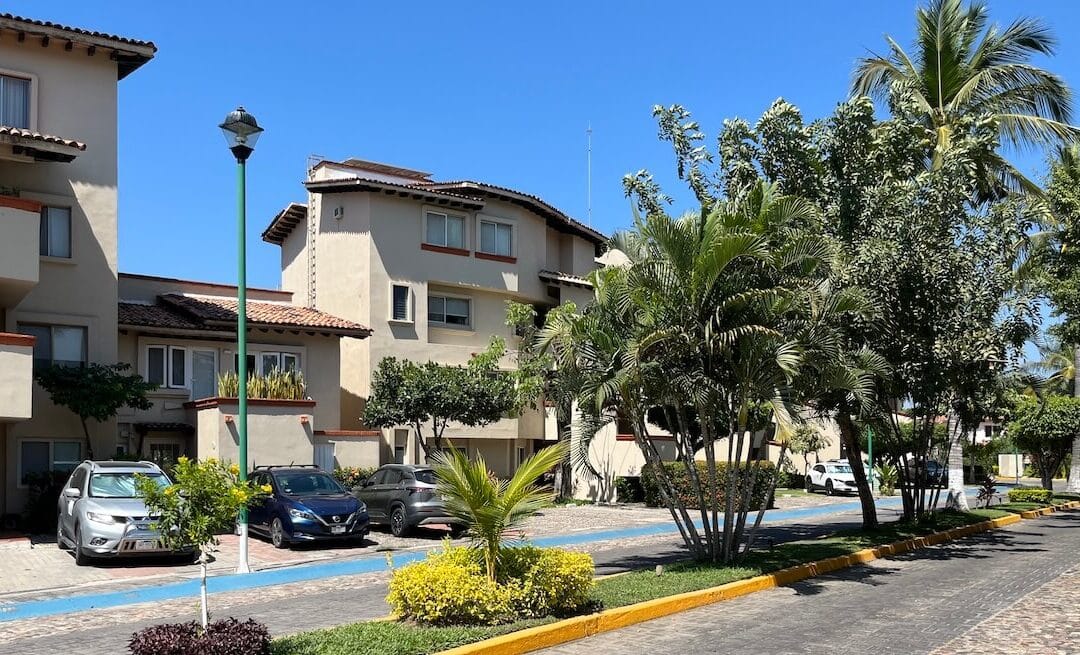
In newer residential developments and recently built neighborhoods, it is common for wired internet infrastructure to lag behind construction. A neighborhood may be fully built out before any ISP has run lines to it. In these situations, Telcel’s fixed wireless service or Starlink are often the most practical options while you wait for traditional providers to expand their coverage.
Cellular internet performance (including Telcel’s Internet en tu Casa) tends to degrade in tourist heavy coastal towns and beach communities during high season, as the influx of visitors puts pressure on local network capacity. If you live in or plan to move to a popular tourist area, keep this seasonal factor in mind.
Having a backup connection is a strategy many long-term foreigners in Mexico adopt. A common approach is maintaining a primary wired connection alongside a mobile data plan or a prepaid Telcel SIM that can be used as a hotspot when the main connection goes down. This is especially worth considering if you work remotely and connectivity is critical to your income.
Customer Service: Setting Realistic Expectations
It is important to set expectations before choosing an internet provider in Mexico: customer service across the industry is widely considered a weak point, and this is not unique to any single provider. It is a well-documented pattern across Mexican ISPs as a whole.
Technician appointments frequently run late or are missed entirely. Resolution times for outages can stretch from days to weeks in some cases. Navigating phone support systems can be challenging, particularly for those who are not fluent in Spanish. Cancelling a service contract is often more difficult than signing up for one.
This does not mean you cannot get good, reliable internet in Mexico. Tens of millions of foreigners and locals do. What it does mean is that your experience with customer support here will likely be different from what you may be accustomed to in the United States, Canada, or Europe. Going in with realistic expectations will make the experience less frustrating.
If you do have a persistent unresolved issue with an ISP, you have the option of filing a formal complaint with PROFECO (Procuraduría Federal del Consumidor), Mexico’s federal consumer protection agency. This can sometimes produce results when direct contact with the provider has not.
Contracts and Installation: What to Expect
Lots of major wired providers in Mexico require a contract, typically ranging from 12 to 24 months. Read the terms carefully before signing, particularly around automatic renewal clauses and early termination conditions. Some providers require you to return equipment in person at a physical store location when cancelling, which is worth knowing in advance.
Installation timelines vary widely. In urban areas with existing infrastructure, installation can happen within a few days of signing up. In areas where the provider needs to run new lines or in locations where technician availability is limited, waits of several weeks are not uncommon. If you are setting up a new home and need internet quickly, having a Telcel SIM with a data plan as a temporary measure while you wait for installation is a practical approach many expats use.
Before committing to any provider, verify availability at your exact address. Some providers may have an address lookup tool on their website, but keep in mind that coverage can vary street by street, and sometimes even block by block within the same neighborhood. Confirming not just that a provider serves your general area but that they can actually connect your specific property will save you considerable time and trouble.
Using a VPN in Mexico
Many foreigners living in Mexico use a VPN (Virtual Private Network) to maintain seamless access to streaming services, banking apps, and other online accounts that are tied to their home country. Services like Netflix, Hulu, and various financial institutions may behave differently or restrict access when they detect a Mexican IP address. A reputable VPN allows you to connect through a server in your home country, which typically resolves these issues. VPN services are legal in Mexico and widely used by the foreigner community.
Internet Availability by Region
Urban Areas: Larger urban centers such as Mexico City, Guadalajara, and Monterrey offer the best internet connectivity. Providers like Telmex, Totalplay, and Megacable dominate these areas with fast, reliable fiber optic services. Speeds can easily reach 1 Gbps in many locations, making urban centers ideal for remote workers and families looking for high-speed internet.
-
- Pros: High-speed options available. Multiple providers offer competitive packages. Reliable connections for streaming, work, and video conferencing.
- Cons: Congestion during peak hours can sometimes slow speeds. Newer neighborhoods within urban areas may not yet have full infrastructure coverage.
Rural Areas: Rural and remote regions in Mexico still face challenges with internet access. While Telmex offers coverage in many rural locations, speeds are often limited due to older infrastructure. CFE Internet is improving access in underserved areas. Telcel’s fixed wireless service provides a practical middle-ground option. Starlink remains the most reliable high-speed option for truly remote locations.
-
- Pros: Starlink offers a viable solution for remote areas. CFE Internet is affordable and expanding. Telcel’s fixed wireless coverage reaches areas that lack cable infrastructure.
- Cons: Speeds from most terrestrial providers are lower than urban offerings. Starlink requires a higher initial investment.
Coastal Areas: Popular tourist destinations along the coasts, such as Puerto Vallarta, Cancún, and Playa del Carmen, have seen rapid improvements in internet infrastructure, especially with the rise of remote work. Providers like Telmex, IZZI, and Totalplay are common in these areas. Be aware that network congestion can increase noticeably during peak tourist season.
-
- Pros: Growing infrastructure in tourist areas. Multiple provider options in larger towns.
- Cons: More remote beach locations may rely on satellite services. Seasonal congestion can affect cellular and cable speeds in heavily visited areas.
Choosing the Right Provider
When deciding on an internet provider in Mexico, consider the following factors:
-
- Location: Confirm availability at your exact address before committing. What is available two blocks away may not be available at your specific property.
- Connection type: Fiber optic is the most reliable option where available. Fixed wireless through Telcel is a solid alternative where fiber has not arrived. Starlink is the best option for remote areas.
- Usage needs: If you work from home or rely heavily on streaming and video calls, prioritize a fiber optic connection or Starlink. For lighter usage, a fixed wireless or standard cable plan may be sufficient.
- Backup plan: Consider maintaining a secondary connection option, particularly if your income depends on being online. A mobile data plan or prepaid SIM used as a hotspot is a common and practical safety net.
- Contract terms: Understand the commitment you are making before signing. Know in advance what the cancellation process involves for whichever provider you choose.
Conclusion
Internet service in Mexico has improved substantially in recent years, but the experience varies depending on where you live. Urban areas boast some of the fastest fiber optic connections available, while rural regions can benefit from innovative solutions like Telcel’s fixed wireless service and Starlink. Setting realistic expectations about reliability and customer support will serve you well. The expats who navigate Mexican internet most successfully are those who understand the landscape going in, choose the best available connection type for their location, and keep a backup option on hand for when they need it. By carefully considering your location, connection type, and usage needs, you can stay connected and enjoy everything Mexico has to offer, from its vibrant cities to its remote rural charm.
Please feel free to leave us a comment below about your experience with internet service and connectivity in Mexico. We would love to hear from you! Additionally, if you found this article helpful, consider sharing it with others who might benefit from it. A quick share goes a long way in helping others discover useful information!



0 Comments