
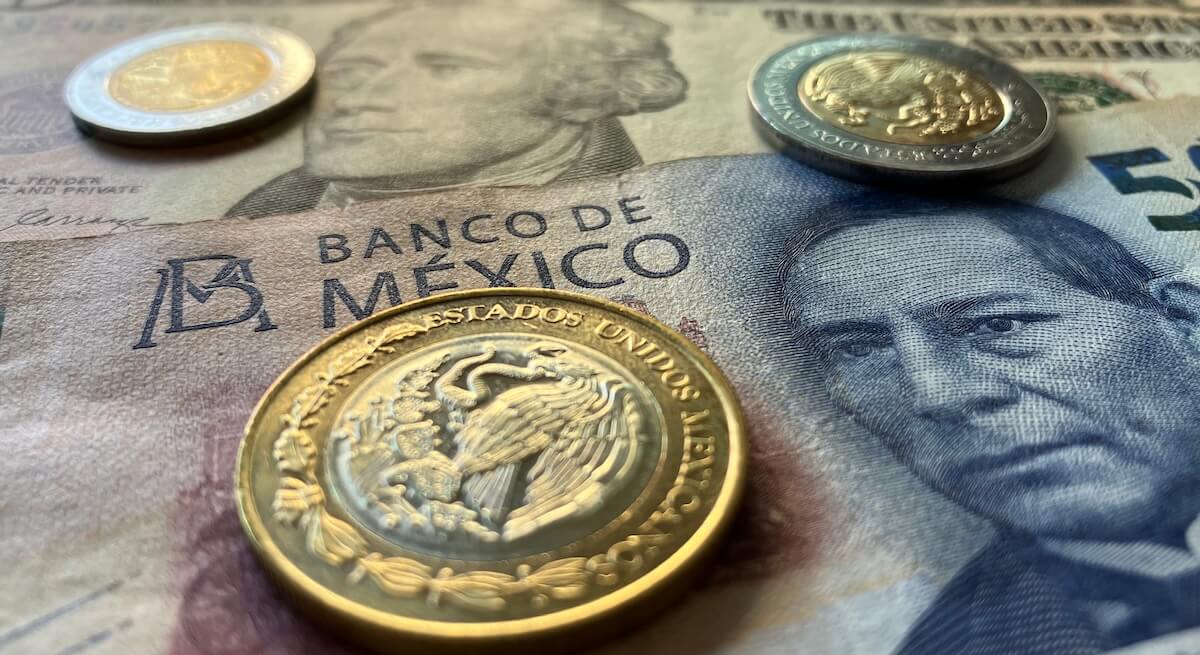
Moving to or living in Mexico as a foreigner comes with many logistical challenges, and one of the most common challenges is transferring money from your home country to Mexico. Whether you’re sending funds for living expenses, paying for property, managing ongoing bills, or simply helping out family and friends, knowing the most reliable, cost-effective and secure methods is crucial. The right choice can save you hundreds or even thousands of dollars annually, especially if you’re making regular transfers.
The landscape of international money transfers has evolved dramatically in recent years. Where traditional bank wire transfers once dominated, a variety of specialized money transfer services now offer competitive alternatives with lower fees, better exchange rates, and faster delivery times. However, with so many options available, choosing the right service for your specific needs can feel overwhelming.
This article will discuss some of the most commonly used ways to transfer money to Mexico, including options like Wise, Xoom, Remitly, and traditional wire transfers. We’ll explore the pros and cons of each method, including typical transfer times and other relevant details. Understanding the differences between these services will help you make informed decisions that align with your priorities, whether that’s minimizing costs, maximizing speed, or ensuring the highest level of security for large transfers.
Wise is a popular international money transfer service known for offering low-cost transfers and using mid-market exchange rates, which are often more favorable compared to banks and other money transfer services. Founded in 2011, Wise has grown to become one of the most trusted names in international money transfers, serving millions of customers worldwide.
What sets Wise apart is its transparent approach to pricing. Rather than hiding costs in inflated exchange rates like many banks and traditional services do, Wise shows you exactly what you’re paying upfront. The platform offers very close to the mid-market exchange rate and charges a small, clearly disclosed fee on top. This transparency has made Wise particularly popular among expats, digital nomads, and anyone who regularly sends money internationally.
Pros:
-
- Low fees: Wise charges a transparent fee that is often significantly lower than traditional banks or wire transfers. The percentage-based fee structure means you pay proportionally to the amount you’re sending, making it cost-effective for both small and medium-sized transfers.
- Mid-market exchange rates: Unlike many other services that add a significant margin to the exchange rate, Wise offers very close to the mid-market rate making your transfer more cost-effective. This alone can save you 2-5% compared to traditional banks that mark up the exchange rate.
- User-friendly interface: Wise’s platform is easy to use, allowing you to track transfers in real-time. You can see exactly when your money leaves your account, when it’s converted, and when it arrives in the recipient’s account. The mobile app makes it convenient to send money on the go.
- Available in many countries: Wise supports transfers to a wide range of countries, including Mexico, with multiple currency options. You can send from over 50 countries and to more than 80 countries worldwide.
- Borderless account option: Wise also offers multi-currency accounts that allow you to hold and manage money in multiple currencies, which can be particularly useful for expats managing finances across countries.
Cons:
-
- Transfer times: Transfers can take up to 1-3 business days depending on the source of funds and the receiving bank, but often times the transfers are immediate. While this is generally faster than traditional wire transfers, it’s not always as instant as some competitors offering express services.
- Not always ideal for large transfers: While there are no strict limits, Wise may not be the best option for very large amounts (such as property purchases) as it doesn’t offer the same level of personalized support or speed as some traditional methods. For transfers exceeding six figures, some users prefer the security and dedicated service of traditional wire transfers.
- Limited cash pickup options: Unlike services like Xoom or Western Union, Wise primarily focuses on bank-to-bank transfers. If your recipient needs cash pickup, you’ll need to consider alternative services.
Fees & Limits:
-
- Fees: Wise uses a transparent percentage-based fee structure that varies depending on the currency pair, transfer amount, and payment method. Bank transfers typically have the lowest fees, while debit or credit card payments incur higher costs. Wise provides a fee calculator on its website to show you the exact cost before you commit to a transfer. Generally considered one of the most competitive and cost-effective options for international transfers.
- Transfer limits: Wise supports high transfer limits, with the exact amount varying based on your country, verification level, and payment method (wire transfers, ACH, or debit/credit card). Most users can transfer substantial amounts, making it suitable for both everyday expenses and larger transactions. Check Wise’s website for current limits specific to your situation.
Best For:
-
- Individuals who want low-cost transfers with transparent pricing, and are willing to wait up to a few days for the funds to arrive.
Xoom is a service by PayPal, and allows users to transfer money quickly to over 130 countries, including Mexico. One of Xoom’s key features is the ability to transfer funds directly to bank accounts, send cash for pick-up at locations across Mexico, or even pay bills directly. Since being acquired by PayPal in 2015, Xoom has benefited from PayPal’s extensive infrastructure and security measures while maintaining its focus on international remittances.
Xoom is particularly popular among people who regularly send money to family members in Mexico or need flexible delivery options. The service’s strength lies in its versatility – you can choose the delivery method that works best for your recipient, whether they have a bank account or prefer to pick up cash at a convenient location near them.
Pros:
-
- Speed: Transfers are often completed within minutes, especially for cash pick-ups or when using debit cards. This makes Xoom an excellent choice for urgent situations where funds need to arrive quickly.
- Multiple delivery options: You can send money for direct deposit, cash pick-up (e.g., OXXO, elektra, Walmart, etc.), or home delivery (where available). This flexibility means your recipient doesn’t need a bank account to receive funds. The extensive network of pickup locations throughout Mexico makes it convenient for recipients in both urban and rural areas.
- Integration with PayPal: Xoom is owned by PayPal. So, if you already use PayPal, sending money via Xoom is seamless. You can fund transfers directly from your PayPal balance, bank account, or card linked to PayPal. The integration also means you benefit from PayPal’s buyer protection and security features.
- Bill payment option: Beyond just sending money, Xoom allows you to pay bills directly in Mexico, which can be helpful for managing ongoing obligations like utilities or phone bills for family members.
- User-friendly mobile app: The Xoom mobile app makes it easy to send money on the go, track transfers, and save recipient information for future transactions.
Cons:
-
- Higher fees for smaller transfers: Xoom’s fees can be higher than services like Wise, especially for smaller amounts. The fee structure can make small transfers relatively expensive compared to the amount being sent.
- Exchange rate markup: Xoom charges a margin on the exchange rate, which can make the transfer more expensive. While convenient, you’re paying for that convenience through both fees and a less favorable exchange rate compared to mid-market rate services.
- Fees vary significantly: The cost of your transfer can vary widely depending on the payment method and delivery option you choose, making it important to compare options before confirming your transaction.
Fees & Limits:
-
- Fees: Xoom uses a tiered fee structure based on your payment method and delivery option. Bank transfers typically have lower fees compared to debit or credit card payments. Cash pick-up options generally incur higher fees than direct bank deposits. The total cost of your transfer includes both the transfer fee and the exchange rate margin applied by Xoom. It’s recommended to compare the total cost (including the exchange rate) on Xoom’s website before sending money.
- Transfer limits: Xoom’s limits depend on your transaction history and account verification status. New users typically have lower limits that increase over time as you build a history with the service. Limits also vary based on time periods (24 hours, 30 days, and 180 days). Verified users with established accounts can send significantly higher amounts. Check your specific limits within your Xoom account dashboard.
Best For:
-
- Those who need to send money quickly or who need flexible options like cash pick-up or bill payment.
Remitly is another popular money transfer service with a focus on speed and affordability. Like Xoom, it offers both direct bank deposits and cash pick-up options, with a wide network of partners in Mexico. Founded in 2011 and now publicly traded, Remitly has built its reputation on providing reliable service specifically designed for people sending money to family and friends abroad.
What makes Remitly particularly appealing is its two-tier service model that lets you choose between speed and cost. The “Economy” option offers lower fees for those who can wait a bit longer, while the “Express” option prioritizes speed for urgent transfers. This flexibility allows you to optimize for either cost or speed depending on your specific situation.
Pros:
-
- Fast transfers: Remitly offers an “express” option that allows money to be sent in minutes, making it ideal for emergency situations or time-sensitive needs. Even the economy option is typically faster than traditional wire transfers.
- Competitive exchange rates: While Remitly doesn’t always use the mid-market rate, its exchange rates are generally better than many traditional banks. The rates are clearly displayed before you commit, allowing you to compare costs across different services.
- Multiple transfer options: You can send money for bank deposit, cash pick-up (e.g., OXXO, Banco Azteca, BanCoppel, etc.), or mobile wallet deposit. The extensive network of cash pickup locations throughout Mexico ensures convenience for recipients regardless of their location.
- Promotional offers: Remitly frequently offers promotional rates for new users or first-time transfers, which can make initial transfers very cost-effective. Returning users may also receive occasional promotions.
- Strong mobile app: The Remitly app is highly rated and offers features like transaction tracking, delivery notifications, and the ability to save recipient information for faster repeat transfers.
- New user experience: The platform is designed with first-time users in mind, offering clear instructions and customer support in multiple languages.
Cons:
-
- Fees for faster service: The “express” option incurs higher fees than standard transfers, especially for smaller amounts. While the speed can be worth it in emergencies, regular users sending routine transfers may find the costs add up.
- Exchange rate markups: Like Xoom, Remitly adds a margin to the exchange rate, increasing the cost of your transfer. The markup varies depending on the service tier you choose.
- Variable pricing: The total cost can fluctuate based on multiple factors including delivery speed, payment method, and current promotional offers, making it important to check the final price before confirming each transfer.
Fees & Limits:
-
- Fees: Remitly offers two service tiers: “Economy” (lower fees, slower delivery) and “Express” (higher fees, faster delivery). Fees are structured as flat amounts that vary based on the transfer amount, payment method, and delivery speed you select. Bank-funded transfers typically have lower fees than debit or credit card payments. The express option provides near-instant delivery but costs more. Check Remitly’s website or app for current fee schedules and to compare economy versus express pricing for your specific transfer.
- Transfer limits: Transfer limits on Remitly vary based on account verification status and transaction history. New users start with lower daily limits that increase as you verify your identity and build a history with the platform. Like other services, Remitly applies limits across different time periods (24 hours, 30 days, and 180 days). Fully verified accounts with established histories can send higher amounts. View your current limits in your Remitly account settings.
Best For:
-
- Individuals who prioritize speed and want a service that provides a cash pick-up option.
Traditional Wire Transfers
Wire transfers are one of the most well-established ways to send money internationally. They are often done through banks, and while they are considered very secure, they can be expensive relative to other methods. Despite the emergence of newer, often cheaper alternatives, wire transfers remain the gold standard for certain types of transactions, particularly large-value transfers where security and certainty are paramount.
Traditional wire transfers work through established banking networks like SWIFT (Society for Worldwide Interbank Financial Telecommunication), which connect banks around the world. When you initiate a wire transfer, your bank sends instructions through this network to release funds to the recipient’s bank. While the process is straightforward, it often involves multiple intermediary banks, which can add both time and cost to the transaction.
Pros:
-
- Security: Wire transfers are one of the safest methods for transferring large amounts of money. Banks have extensive security protocols and regulatory oversight, making wire transfers highly reliable for significant transactions. The formal banking system provides a clear paper trail and accountability.
- Wide availability: Virtually all banks around the world support wire transfers, and they can be done both online and in-person. This universal availability means you can send and receive wire transfers regardless of what bank you or your recipient uses.
- Good for large transfers: If you need to transfer a large sum of money, wire transfers are often the preferred option due to their high transfer limits. Real estate purchases, business transactions, and other high-value transfers are commonly handled via wire transfer due to the security and legitimacy they provide.
- No intermediary service: You’re dealing directly with established banking institutions rather than third-party services, which some people prefer for peace of mind, especially with large amounts.
- Legal documentation: Wire transfers provide official bank documentation that can be important for legal purposes, tax reporting, or proving source of funds for major purchases.
Cons:
-
- High fees: Wire transfers usually come with significant fees, ranging from $15 to $50 USD per transfer, depending on the banks involved. Both the sending and receiving banks typically charge fees, and these are usually flat amounts rather than percentage-based, making wire transfers particularly expensive for smaller transfers.
- Slower processing times: Wire transfers can take up to 3-5 business days, especially if intermediary banks are involved. International wires often take longer than domestic ones due to different time zones, banking hours, and the need for compliance checks.
- Exchange rate markups: Many banks apply a markup to the exchange rate, which can make this option more expensive. These markups are often hidden and not clearly disclosed, meaning the “total cost” of your wire transfer may be significantly higher than the stated fees.
- Limited transparency: Unlike modern money transfer services that show you the exact exchange rate and fees upfront, wire transfers often don’t reveal the true cost until after the transaction is complete.
- Potential for errors: Wire transfers that are sent incorrectly can be difficult and expensive to reverse or correct. Accuracy in recipient information is critical.
Fees & Limits:
-
- Fees: Traditional bank wire transfers typically involve flat fees charged by both the sending and receiving banks. Your bank will charge an outgoing wire fee, and the receiving bank in Mexico may charge an incoming wire fee. Additionally, banks often apply a markup to the exchange rate, which effectively increases the total cost beyond the stated fees. The combined cost can make wire transfers one of the more expensive options, particularly for smaller amounts. Contact your specific bank for their current wire transfer fee schedule.
- Transfer limits: Wire transfers generally support very high limits, often in the hundreds of thousands or millions of dollars, making them suitable for large transactions like property purchases. Specific limits vary by financial institution and your account type. Some banks may require additional documentation or approval for particularly large transfers. Check with your bank regarding their specific wire transfer limits and any requirements for high-value transactions.
Best For:
-
- Those who need to transfer large amounts of money securely and are less concerned with the cost.
MoneyGram is another well-known money transfer service, offering both online and physical branch locations for cash pick-ups across Mexico. MoneyGram is a trusted option for sending smaller amounts of money internationally. With over 40 years in the money transfer business, MoneyGram has built one of the most extensive agent networks in the world, making it particularly valuable in areas where banking infrastructure may be limited.
The company’s strength lies in its widespread accessibility. Even in smaller towns and rural areas throughout Mexico, you’re likely to find a MoneyGram agent location. This makes it an excellent choice when your recipient doesn’t have easy access to a bank or prefers the simplicity of cash pickup.
Pros:
-
- Accessibility: MoneyGram has thousands of locations across Mexico for easy cash pick-up, including major chains like OXXO, Farmacias Guadalajara, and Banamex, as well as independent agent locations. This extensive network means recipients in even remote areas can typically find a convenient pickup location.
- Speed: Transfers are typically completed in minutes, making it ideal for urgent needs. Once you send the money, your recipient can often pick it up within minutes at their nearest MoneyGram location.
- Cash pick-up: You can send money for cash pick-up at various MoneyGram agents across Mexico, such as OXXO, Farmacias Guadalajara, Banamex and more. This is particularly useful for recipients who don’t have bank accounts or prefer dealing in cash.
- Multiple sending options: You can send money online, through the MoneyGram app, or in person at MoneyGram agent locations. This flexibility accommodates different user preferences and technological comfort levels.
- No bank account required: Neither the sender nor the recipient needs a bank account, making it accessible to people who are unbanked or underbanked.
- Established reputation: As one of the oldest money transfer services, MoneyGram has a long track record and is widely recognized and trusted.
Cons:
-
- High fees for small transfers: Fees can be high, especially for small transfers or if you use a debit/credit card to fund the transfer. The flat fee structure means smaller amounts carry a higher proportional cost.
- Less competitive exchange rates: MoneyGram adds a significant markup to the exchange rate. The combination of fees plus exchange rate markup can make MoneyGram one of the more expensive options, especially when compared to services like Wise.
- Variable costs: Total costs can vary significantly based on payment method, delivery speed, and the specific amount you’re sending, making it important to compare before committing.
- Limited digital features: While MoneyGram has modernized with online and mobile options, the platform doesn’t offer as many advanced features or account management tools as some newer competitors.
Fees & Limits:
-
- Fees: MoneyGram’s fee structure varies based on the transfer amount, payment method, and delivery option. Smaller transfers often have disproportionately higher fees relative to the amount sent. Cash pick-up options typically cost more than bank deposits. Debit and credit card payments incur higher fees than bank account funding. Like other services, MoneyGram also applies a markup to the exchange rate, which adds to the overall cost. Compare the total cost (fees plus exchange rate) on MoneyGram’s website or app before sending.
- Transfer limits: MoneyGram’s transfer limits for Mexico vary based on delivery method and your verification status. Cash pick-up transactions typically have lower limits than bank deposits. Exact limits are displayed when you initiate a transfer on their platform. For higher amounts, you may need to provide additional verification documentation.
Best For:
-
- Those who need to send cash for pick-up or small amounts of money quickly.
Western Union is one of the most established names in international money transfers. It offers both online transfers and a network of physical locations for sending and receiving money. Founded in 1851, Western Union has evolved from a telegraph company to the world’s largest money transfer service, with agent locations in over 200 countries and territories. This global reach and long history make it one of the most recognized and trusted names in the industry.
For transfers to Mexico specifically, Western Union’s extensive agent network is hard to beat. Whether your recipient is in Mexico City, Guadalajara, or a small town in a rural state, there’s almost certainly a Western Union location nearby. This universal accessibility has made Western Union a go-to choice for millions of people sending money to family members in Mexico.
Pros:
-
- Wide availability: Western Union has thousands of locations across Mexico, making cash pick-ups extremely convenient. You can find Western Union agents in banks, OXXO stores, pharmacies, and independent agent locations throughout the country, including in areas where other services may not reach.
- Fast transfers: Money sent through Western Union is typically available within minutes. This near-instant availability makes it an excellent choice for emergencies or when funds are needed urgently.
- Multiple payment options: You can pay using a bank account, debit/credit card, or cash at an agent location. This flexibility accommodates different preferences and situations. You can even send money in person at an agent location if you prefer not to use online services.
- Brand recognition: Western Union’s long history and global presence mean it’s widely known and trusted. Recipients are often familiar with the service, making it easier to explain how to pick up funds.
- Both online and offline: You can send money entirely online or use physical locations for both sending and receiving. This hybrid approach works well for people with varying levels of technological comfort.
- Loyalty program: Western Union offers a rewards program where you can earn points on transfers and redeem them for fee discounts on future transactions.
- 24/7 customer service: Western Union provides round-the-clock customer support in multiple languages, which can be valuable if issues arise.
Cons:
-
- Higher fees: Western Union tends to have higher fees, especially if you’re sending money using a debit/credit card. The fees can be significantly higher than newer, digital-first services like Wise.
- Exchange rate markups: As with many services, Western Union applies a margin to the exchange rate, which can make transfers more expensive. The exchange rate markup is often substantial and can significantly increase the total cost beyond the stated transfer fee.
- Cost adds up: The combination of transfer fees and exchange rate markup means Western Union is often one of the more expensive options, particularly for regular or larger transfers.
- Inconsistent pricing: Fees and exchange rates can vary based on numerous factors including payment method, delivery speed, transfer amount, and even your location, making it important to check the total cost for each transaction.
Fees & Limits:
-
- Fees: Western Union employs a variable fee structure that depends on the transfer amount, payment method, delivery speed, and destination. Generally, fees are higher for card-funded transfers compared to bank transfers, and cash pick-up options cost more than bank deposits. Express or instant delivery services incur premium fees. Western Union also applies a markup to the exchange rate, which can significantly increase the total cost of the transfer. Always review the total cost breakdown on Western Union’s platform before confirming your transaction.
- Transfer limits: Western Union’s limits vary based on your account verification level, transaction history, and the specific transfer corridor. New or unverified users typically have lower limits, while verified users with established histories can send larger amounts. Limits may also differ between delivery methods (cash pick-up vs. bank deposit). Check the Western Union website or app for your specific limits and any requirements to increase them.
Best For:
-
- Those who need instant transfers or want the flexibility of choosing between online and physical locations.
Other Options to Consider
While the services above are the most commonly used for transferring money TO Mexico, it’s worth being aware of some emerging options in the Mexican financial landscape:
Sending Money from Mexico:
If you’re living in Mexico and need to send money back to your home country, consider DolarApp. DolarApp is primarily designed for people residing in Mexico who want to hold and manage USD, and to transfer money from Mexico to other countries (particularly the United States). It’s not typically used for sending money TO Mexico from abroad, but it can be a valuable tool once you’re established in Mexico and need to move funds in the opposite direction.
FinTech Banking Alternatives:
The line between traditional money transfer services and FinTech banking apps is increasingly blurred. Companies like Nubank and Revolut (both which recently received banking approval in Mexico) offer international transfer capabilities as part of their broader digital banking services. While these platforms aren’t dedicated money transfer services, they may offer competitive rates and convenient features for those who are already using them for banking purposes.
For more detailed information on opening bank accounts in Mexico and comprehensive coverage of FinTech banking options available to foreigners, check out our upcoming dedicated articles on these topics.
Key Considerations
When choosing a method to transfer money to Mexico, it’s important to consider the following factors. The “best” service often depends on your specific situation, and understanding these key considerations will help you make the most informed decision:
-
- Transfer speed: How quickly do you need the money to arrive? Services like Remitly, Xoom, and Western Union may offer near-instant transfers but sometimes at a higher cost. If you’re planning ahead and don’t need immediate delivery, slower services like Wise’s economy option may save you money. For routine transfers like monthly living expenses, you can typically afford to wait 1-3 days. For emergencies, the premium for instant delivery may be well worth it.
- Fees and total cost: Be mindful of both the transfer fees AND the exchange rate markup. Some services advertise low fees but make up for it with unfavorable exchange rates. Always look at the total cost – how many pesos will your recipient actually receive? Smaller transfers tend to have higher fees relative to the amount, so for sending large amounts, consider services with percentage-based fees rather than flat fees. A service charging a 1% fee on a large transfer will cost less than one charging a flat fee that represents a larger percentage of your total.
- Exchange rates: Some services offer better exchange rates than others. Wise stands out as one that uses the mid-market exchange rate, meaning you’re likely to get more pesos for your money. Other services add a markup to the exchange rate, which can be 2-5% or more above the mid-market rate. Over time and with regular transfers, this difference can add up to substantial amounts. Before committing to a service, compare the actual exchange rate being offered to the current mid-market rate (which you can find on Google or financial websites).
- Transfer limits: If you need to transfer large sums, ensure that the service you choose supports the amount you need to send without excessive fees or restrictions. Some services have lower limits for new users that increase as you build a transaction history. If you’re planning a major transfer (such as for property purchase), verify the limits and any documentation requirements well in advance.
- Recipient needs: Consider how your recipient prefers to receive money. Do they have a bank account, or would cash pickup be more convenient? Are they in a major city with many options, or in a rural area where only certain services are available? For recipients without bank accounts, services with extensive cash pickup networks (Western Union, MoneyGram, Xoom) may be more practical than bank-transfer-only services like Wise.
- Frequency of transfers: If you’ll be sending money regularly (such as monthly living expenses), the cost differences between services become more significant over time. A service that saves you even 2% on each transfer can result in substantial savings over a year of regular transfers. Consider whether the service offers any loyalty benefits or promotional rates for regular users.
- Security and reliability: While all the services mentioned in this article are legitimate and widely used, consider the track record and reputation of each service. For large or important transfers, you may prefer services with longer operating histories or those backed by major financial institutions.
- Customer support: If something goes wrong with your transfer, will you be able to get help quickly? Consider whether the service offers customer support in your language and during hours that work for your timezone. Services with 24/7 support can provide more peace of mind, especially for urgent transfers.
- Payment method: How will you fund the transfer? Bank transfers typically have the lowest fees, while credit card transfers often cost more. Some services don’t accept certain payment methods, so verify that your preferred payment option is available before signing up.
Conclusion
Sending money to Mexico is easier than ever with a variety of options to suit different needs, from fast transfers via Xoom and Remitly to cost effective services like Wise. The international money transfer landscape has become increasingly competitive, which benefits consumers through lower costs, better service, and more choices than ever before.
However, it’s important to weigh the pros and cons of each method in terms of speed, fees, exchange rates, and transfer limits. There’s no single “best” service for everyone. The right choice depends on your specific needs, transfer frequency, and priorities. Someone making regular monthly transfers to cover living expenses will have different priorities than someone making a one time property purchase, and someone sending emergency funds will make different choices than someone planning transfers weeks in advance.
Take the time to compare the total cost (fees plus exchange rate) across multiple services before making your first transfer. Many people find it helpful to use more than one service depending on the situation. For example, using Wise for planned monthly expenses due to its low cost, but keeping Xoom or Western Union as an option for urgent transfers when speed is more important than cost.
By selecting the right service for each situation, you can ensure your funds are transferred efficiently, securely, and at the best possible rate. Even small percentage differences in fees and exchange rates can add up to significant savings over time, especially if you’re sending money to Mexico regularly. Don’t hesitate to switch services or shop around. Your financial wellbeing and that of your loved ones in Mexico is worth the extra effort of finding the best option.
Please feel free to leave us a comment below about your experiences with moving money to or from Mexico. We would love to hear from you! Additionally, if you found this article helpful, consider sharing it with others who might benefit from it. A quick share goes a long way in helping others discover useful information!




If you are living in Mexico, you cannot transfer money from the Uk to Mexico without having a UK phone number using any of the methods you suggest.
Unfortunately, I am not familiar with the specifics of what is required for those with UK-based accounts. However, it would stand to reason that if you have any UK-based accounts, then there’s a decent chance that you still may retain a valid UK phone number for a variety of reasons. Unless, I’m somehow misunderstanding your comment.